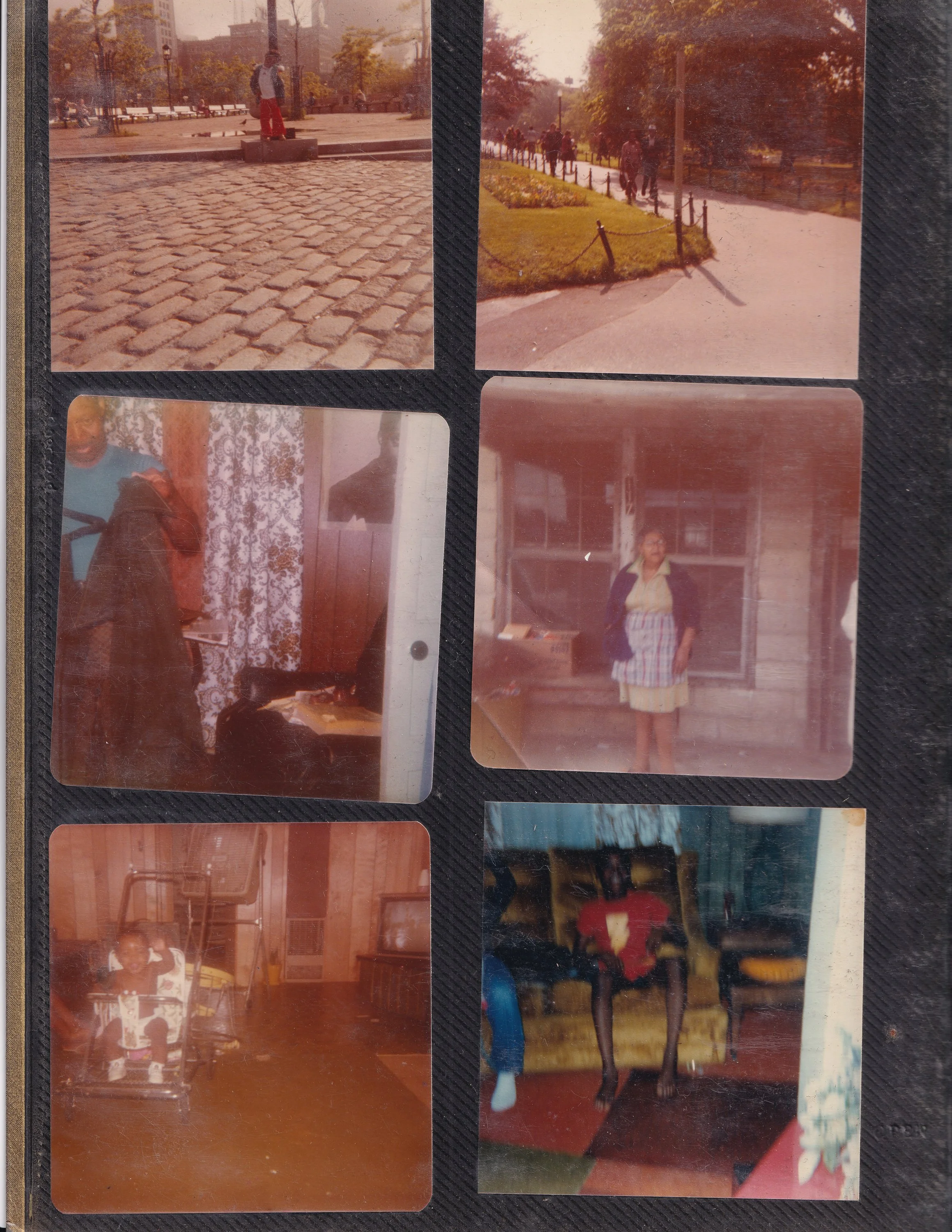
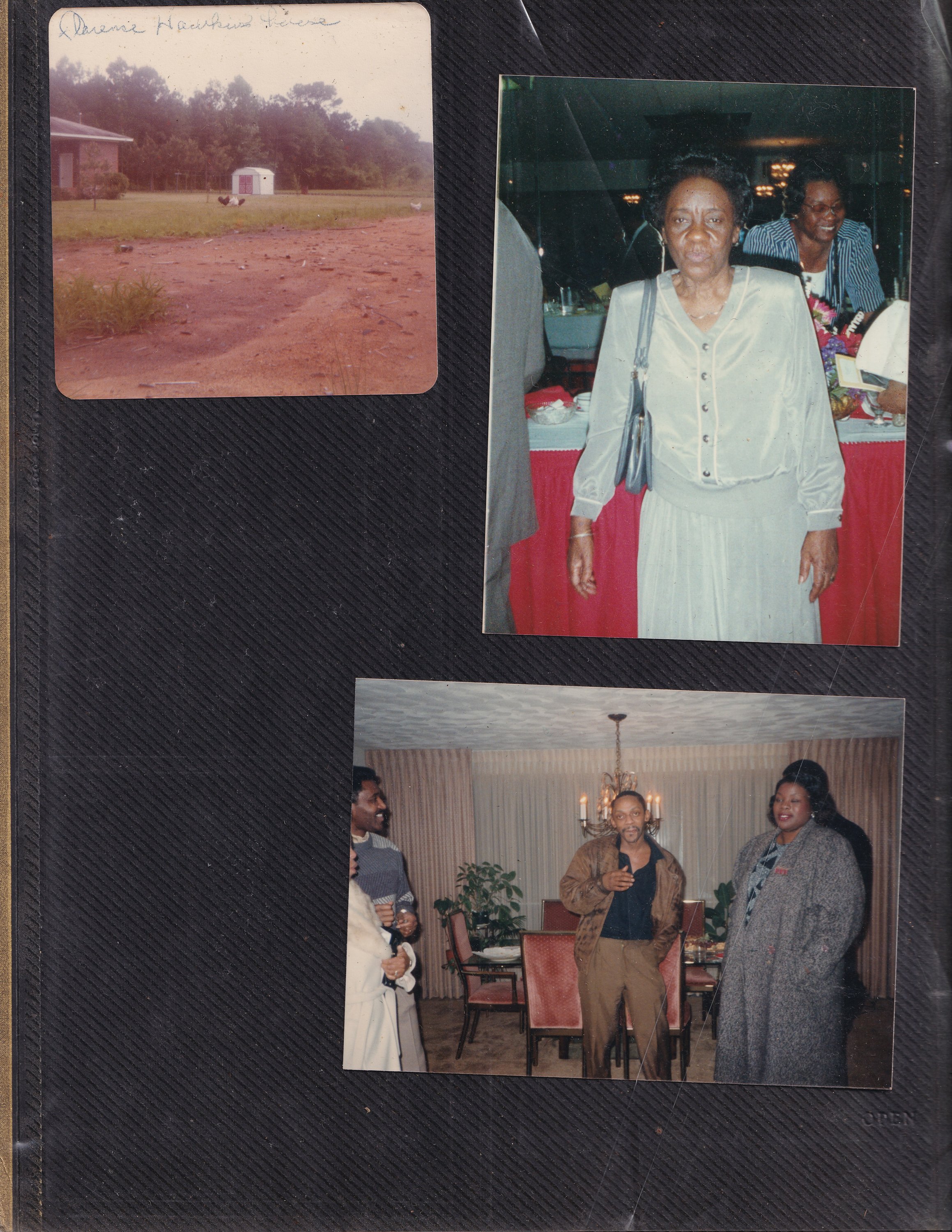
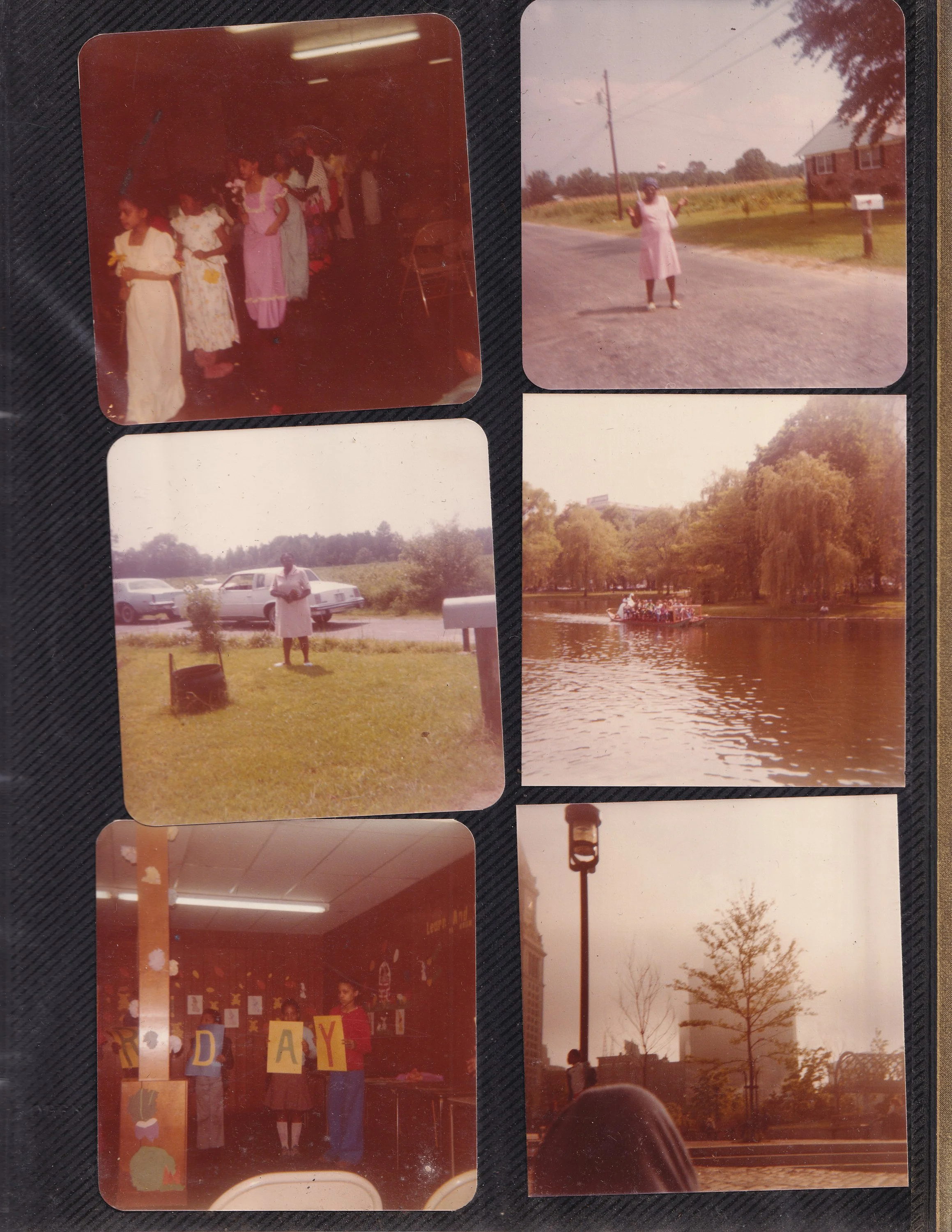
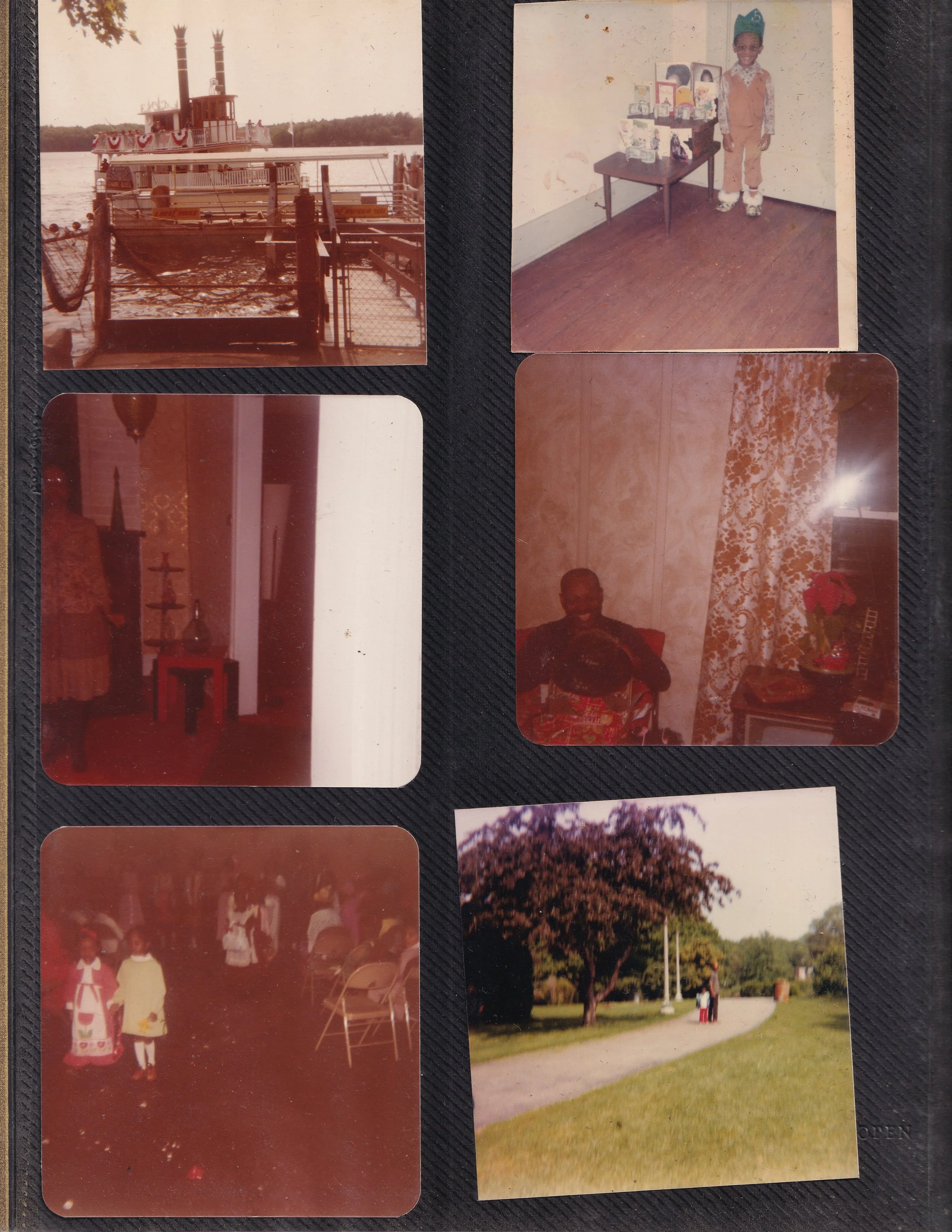
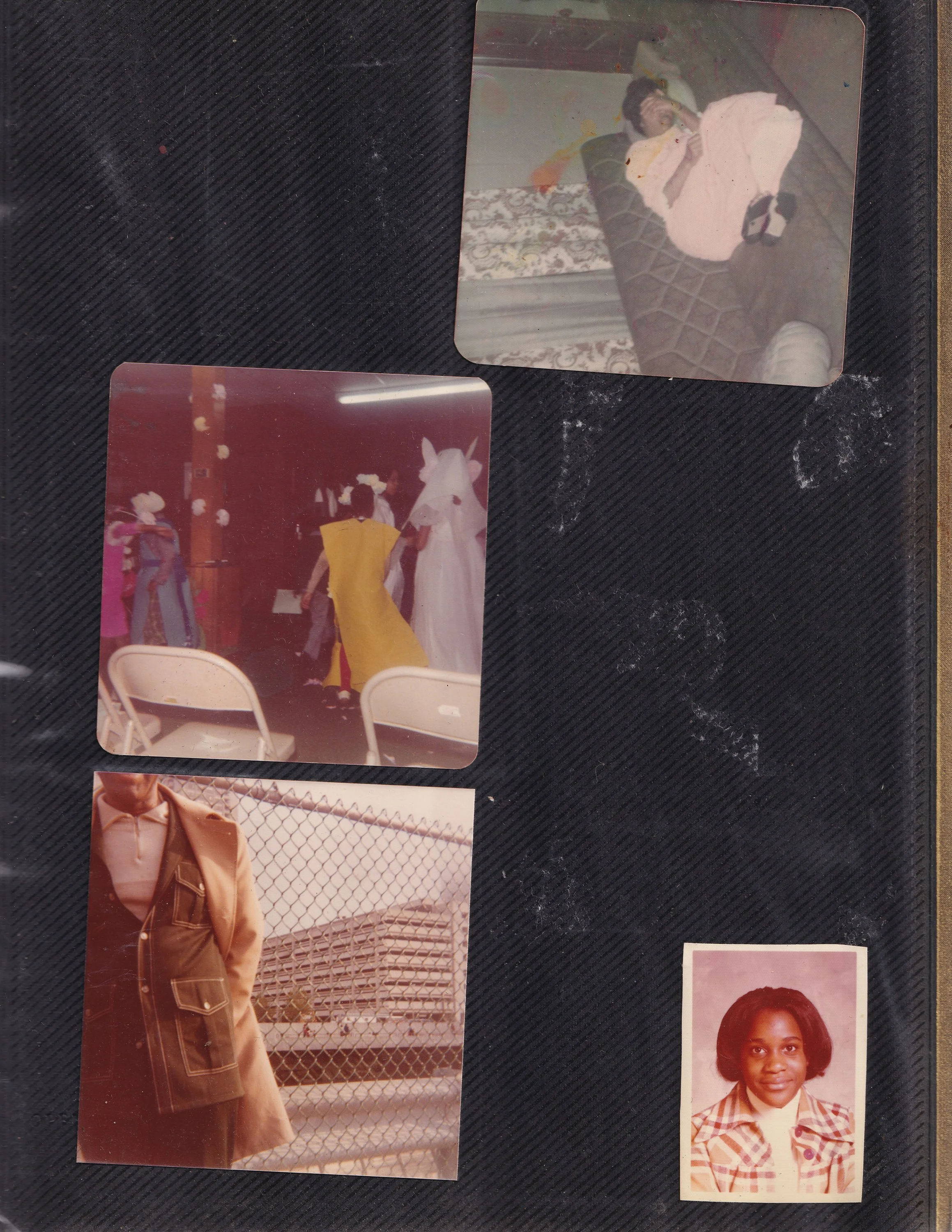
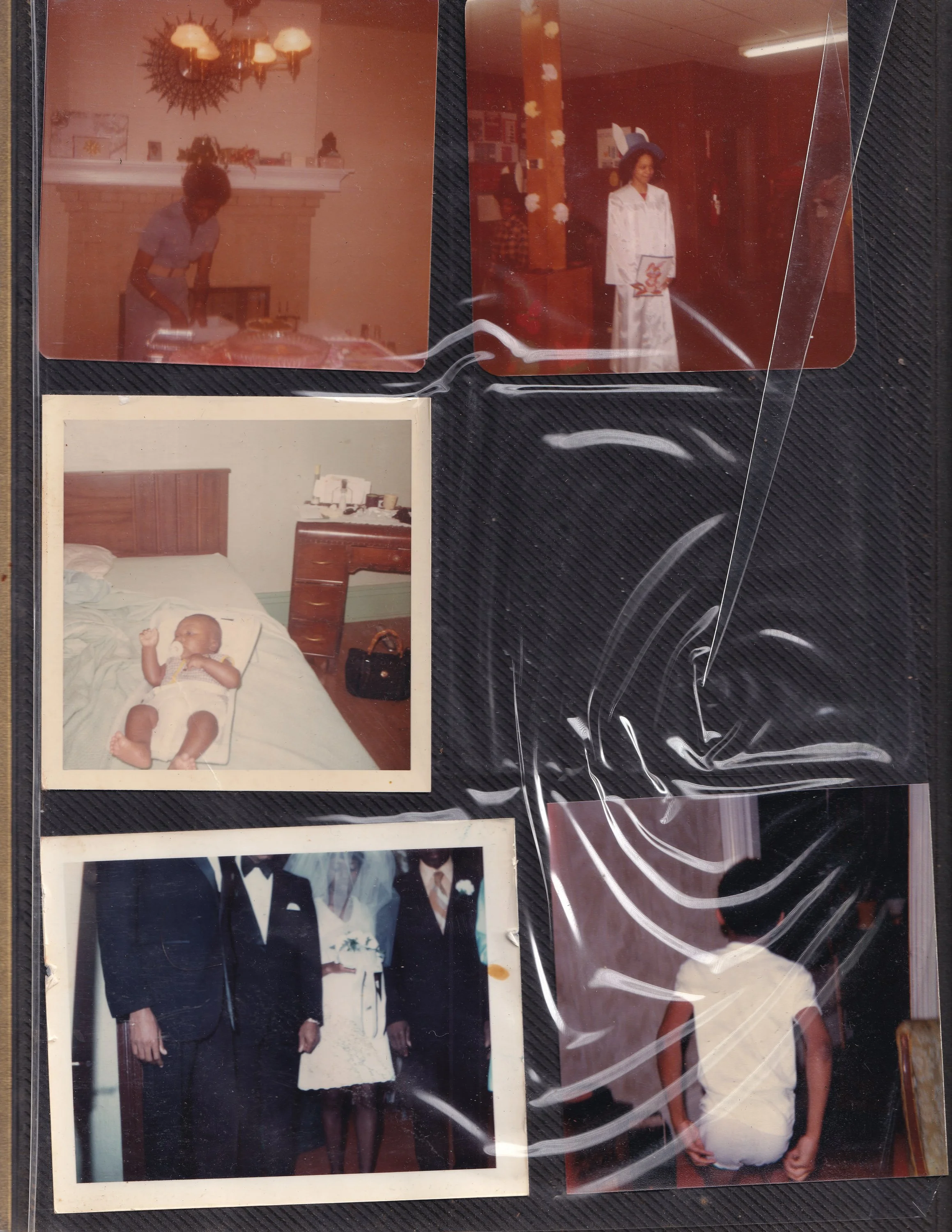
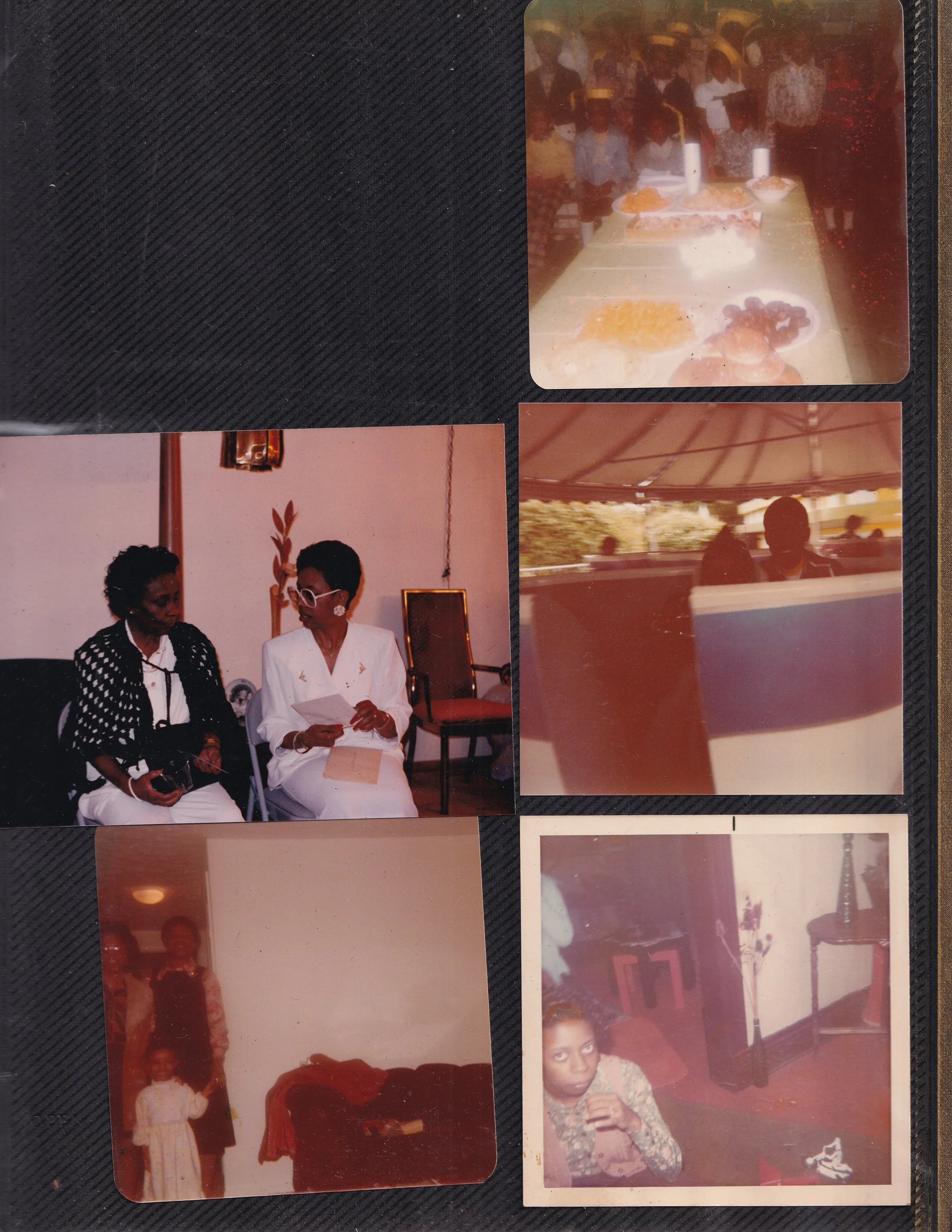
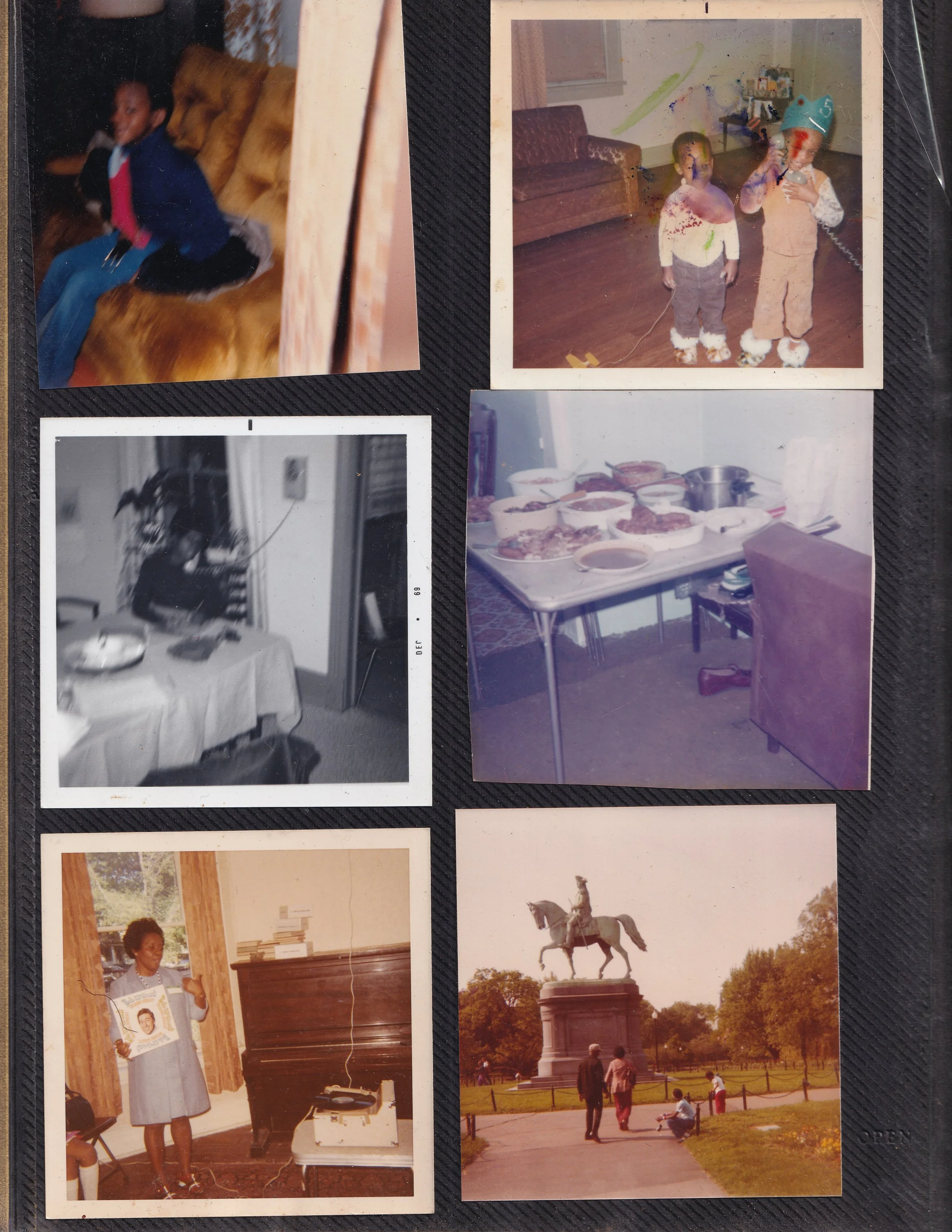
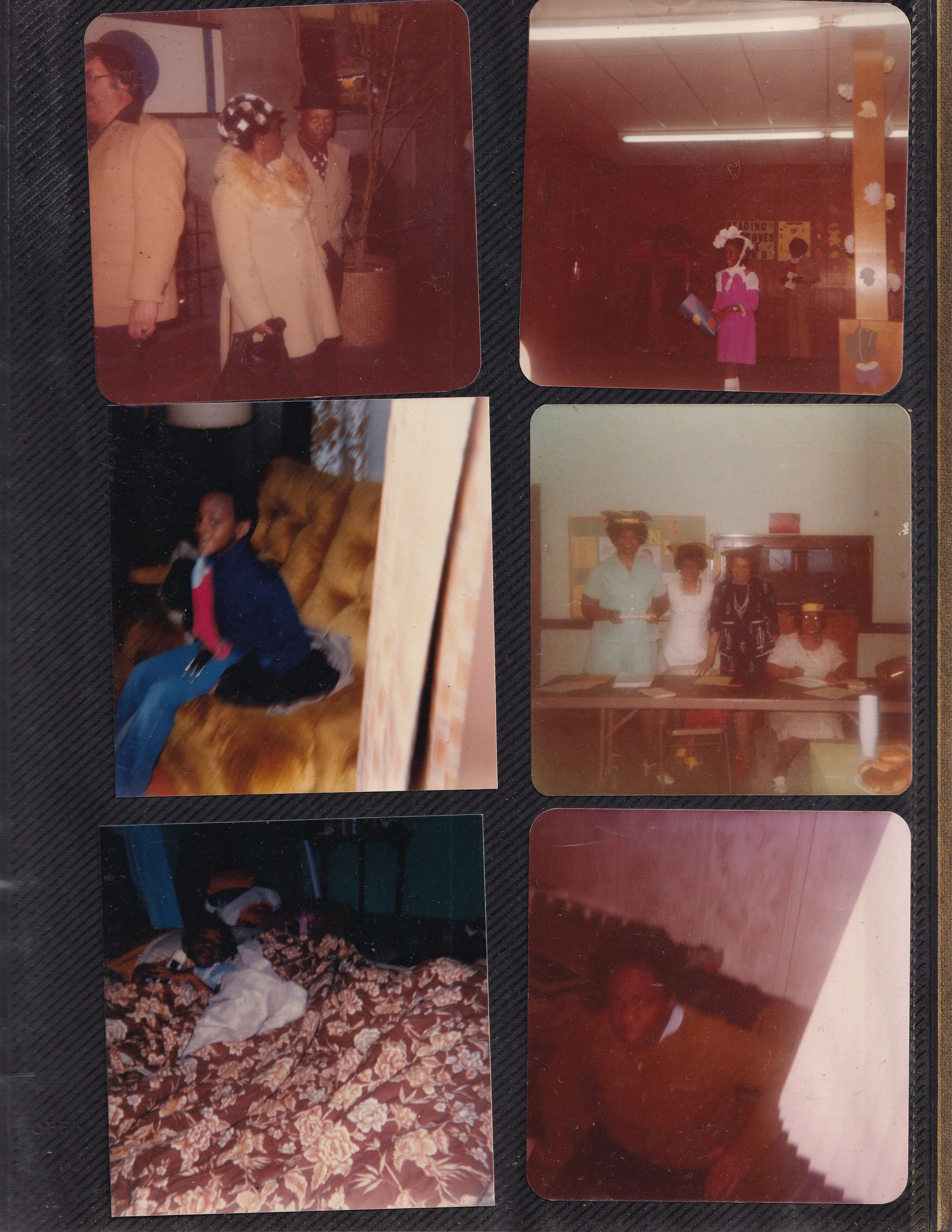
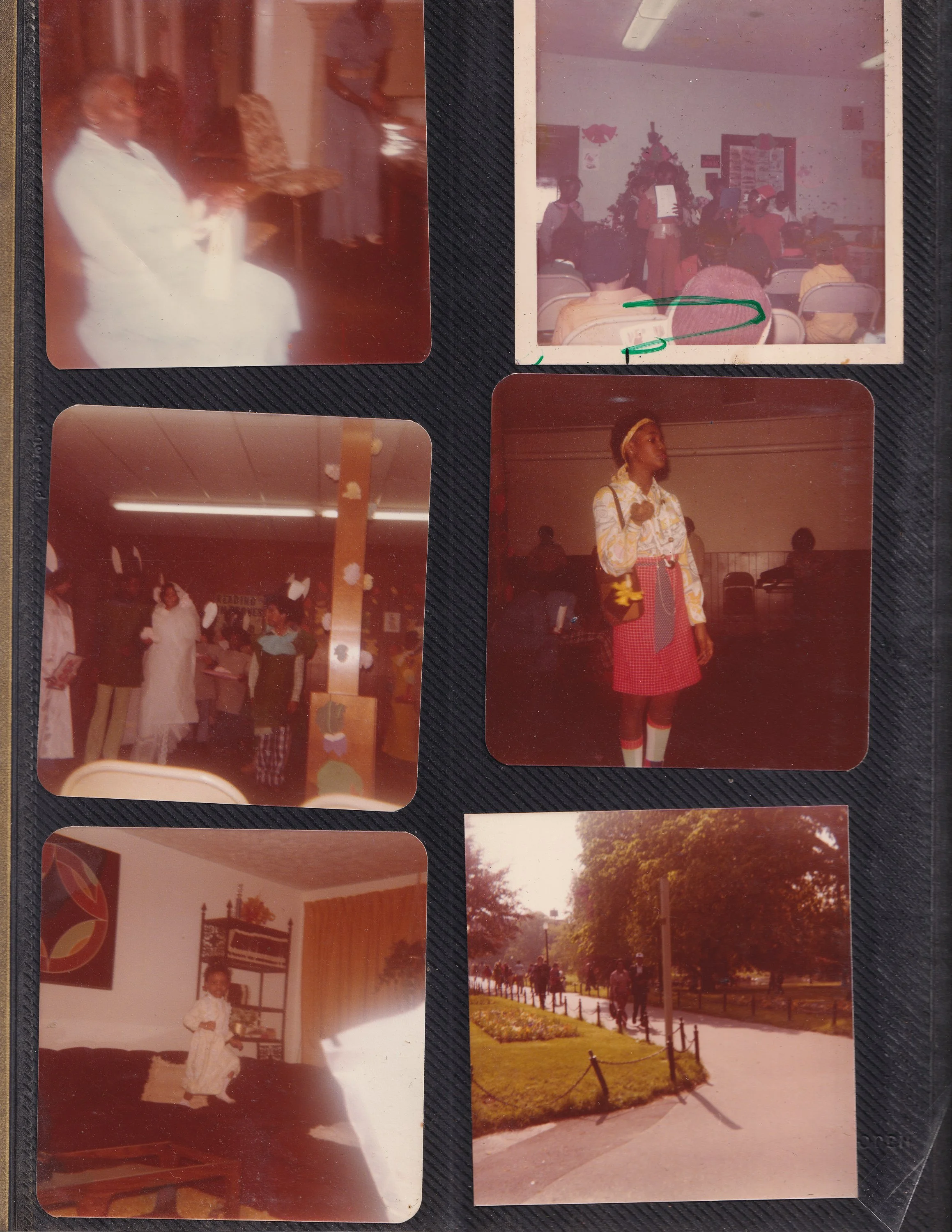
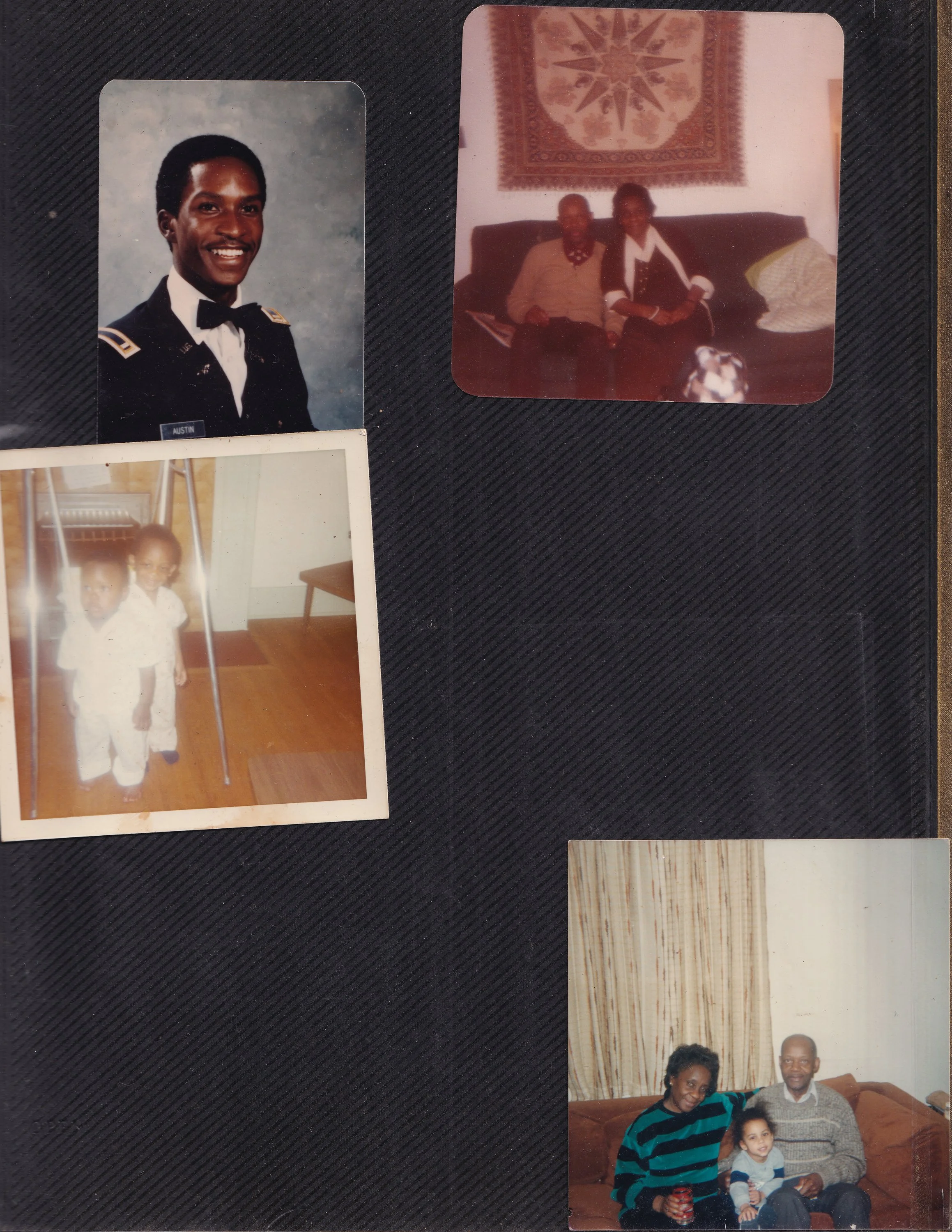
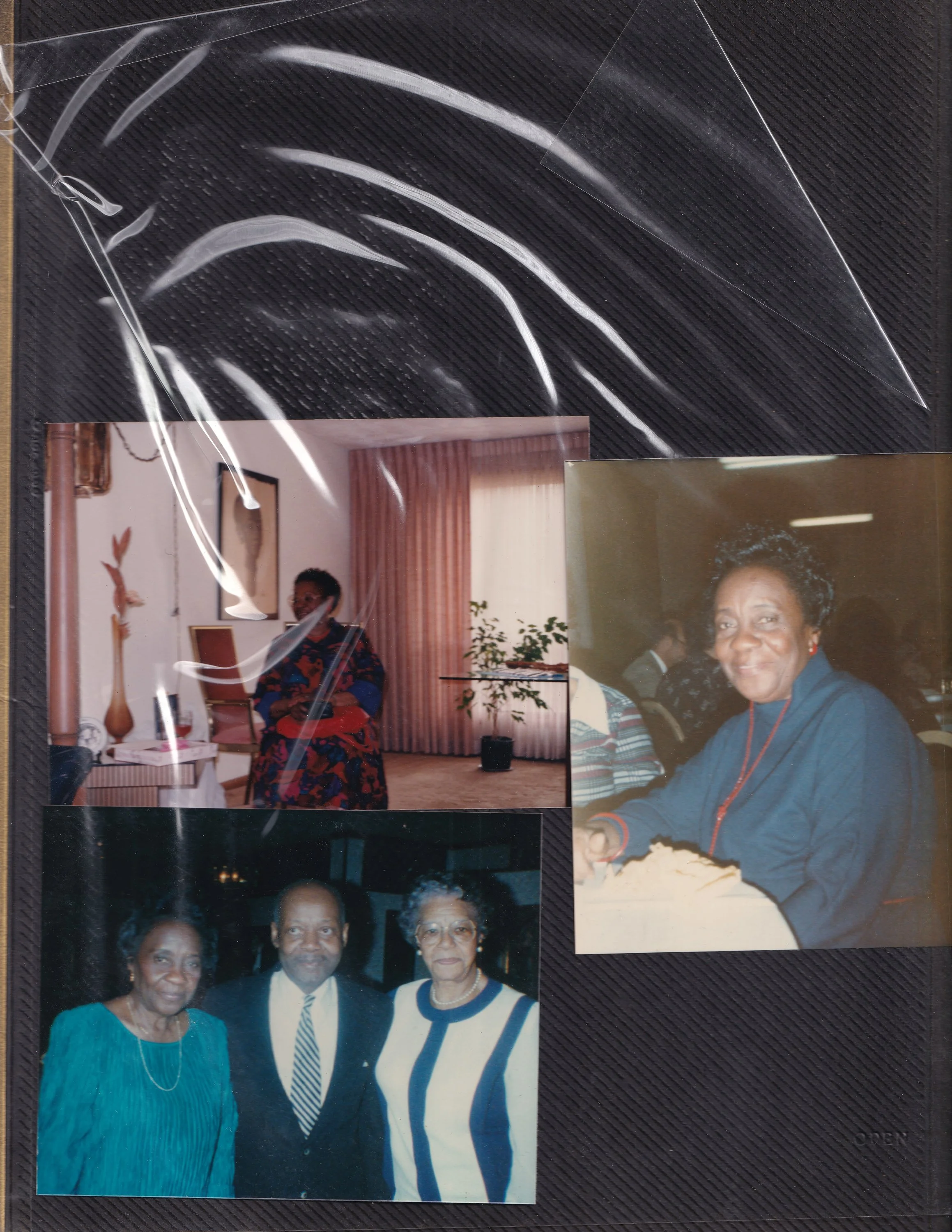
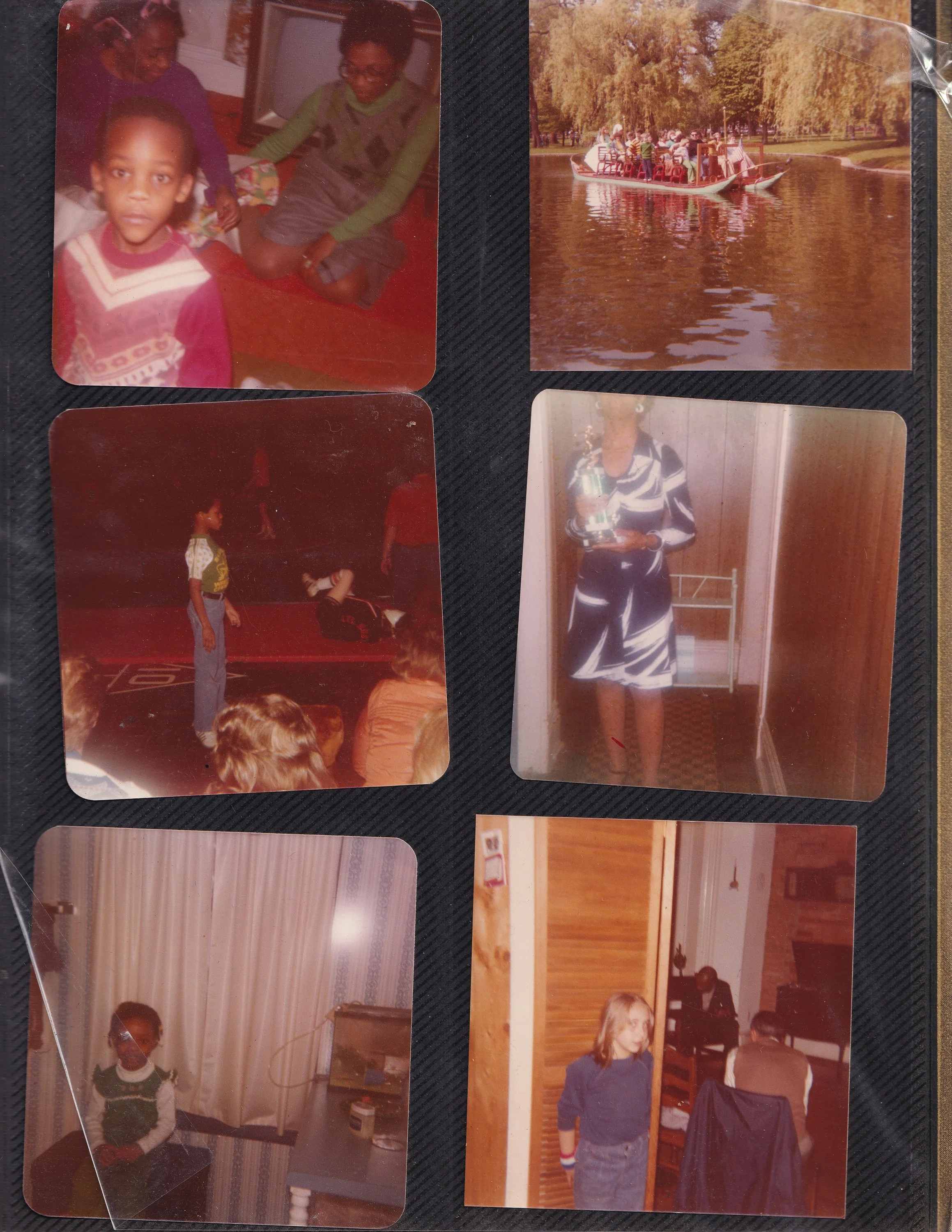
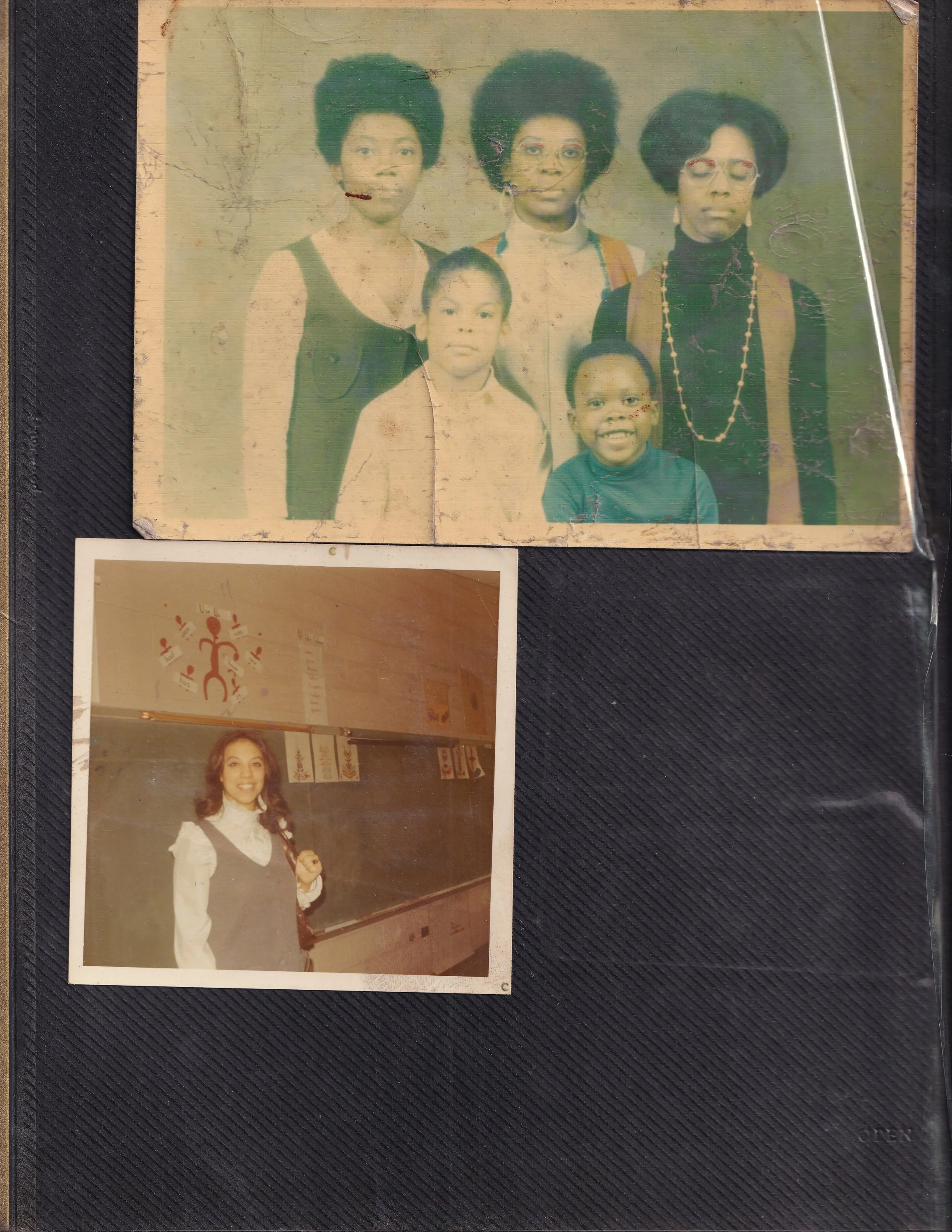
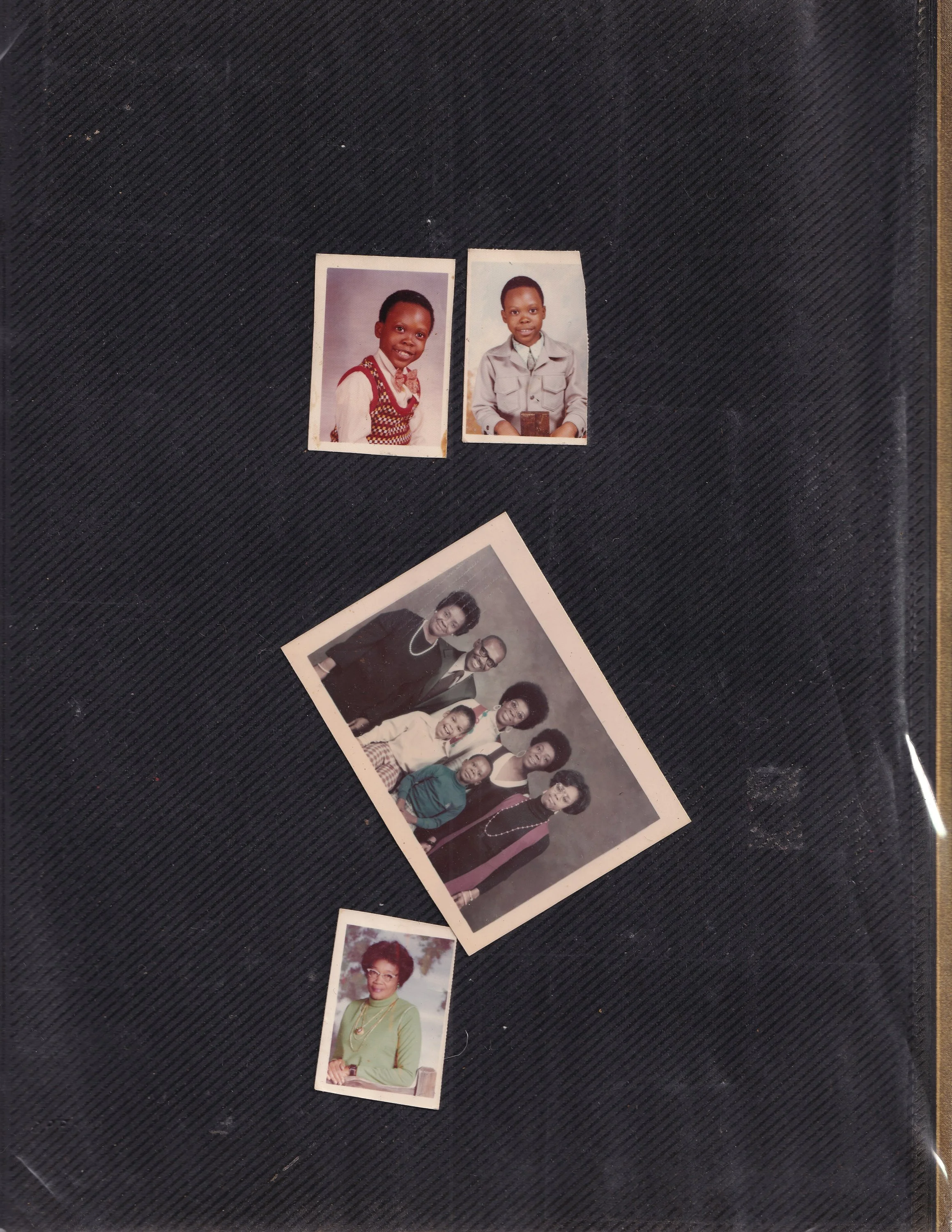
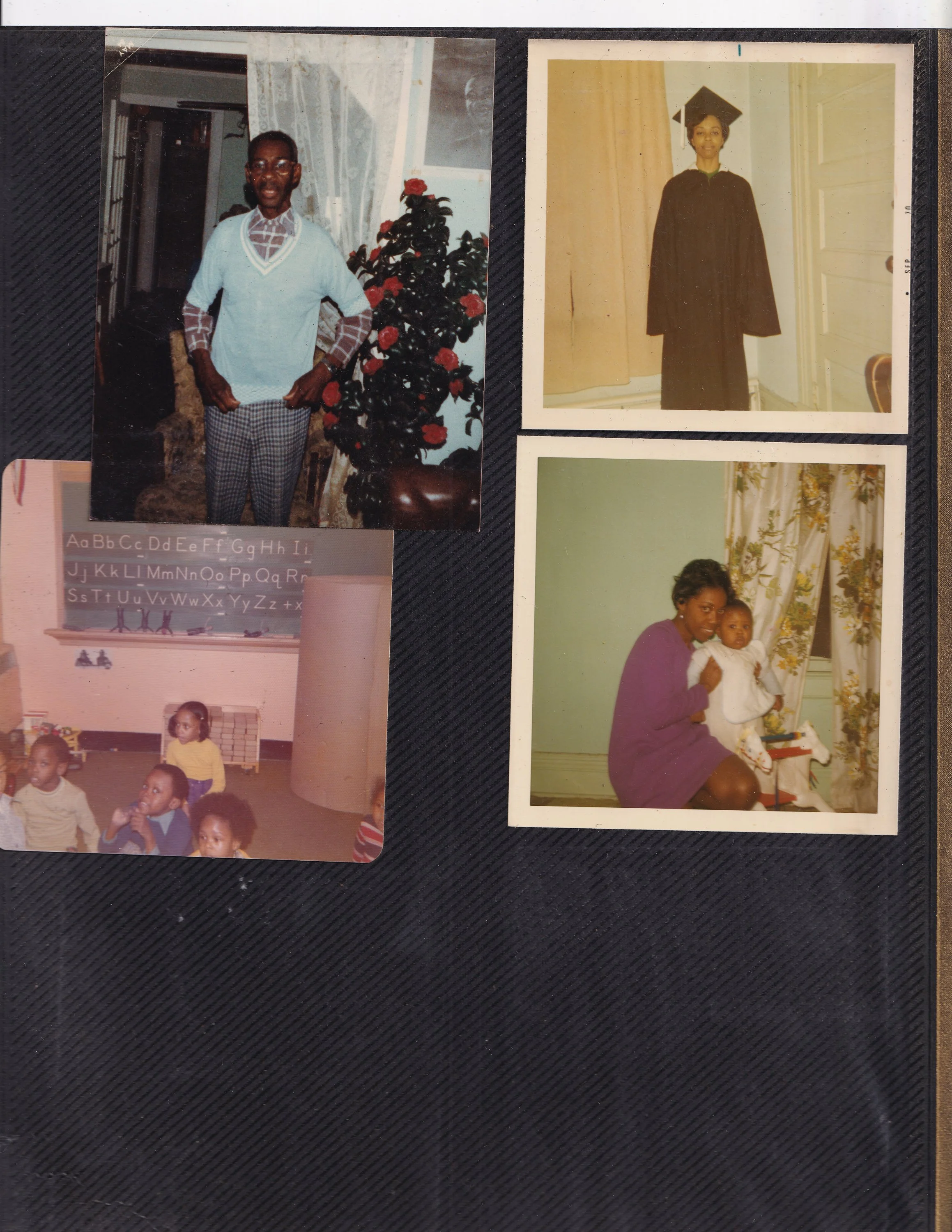
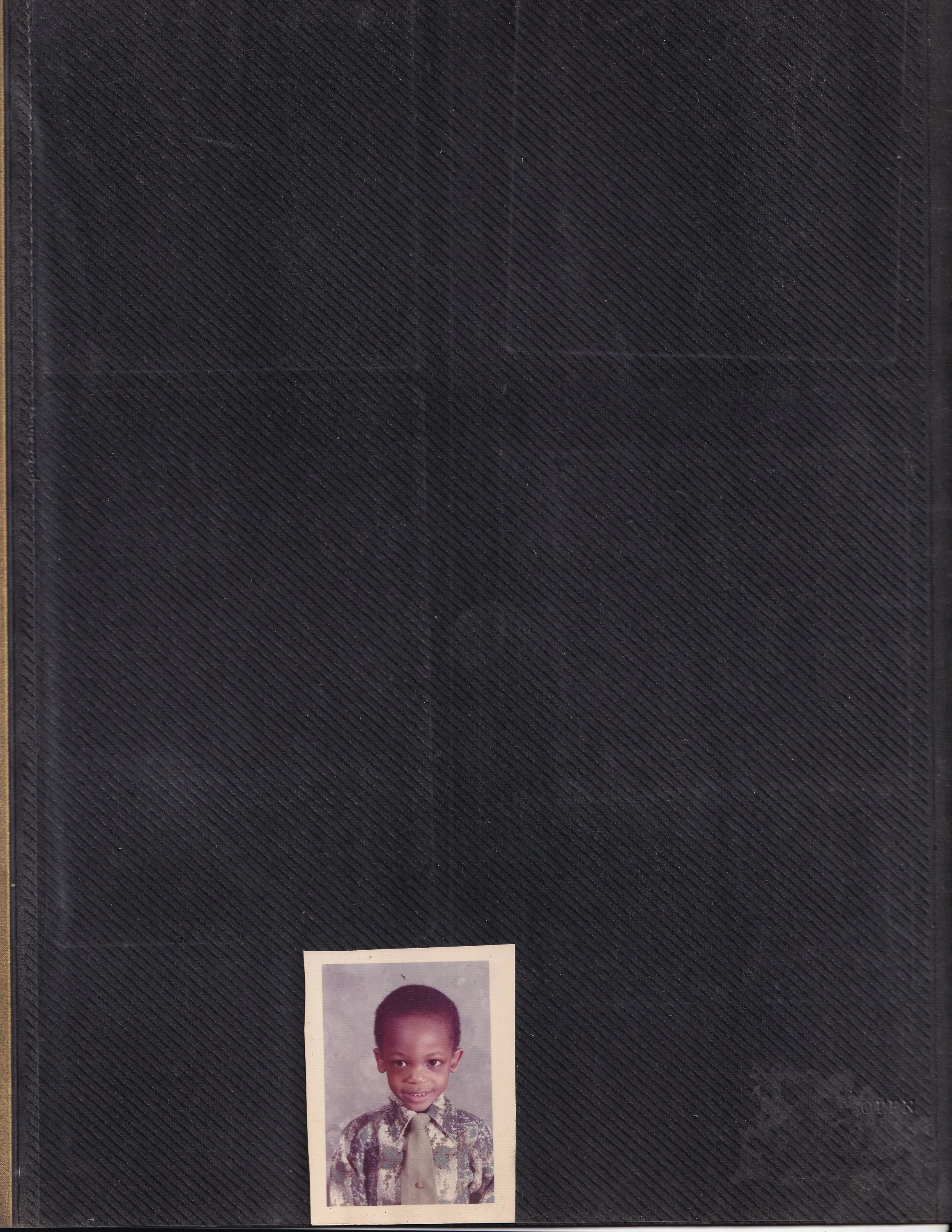
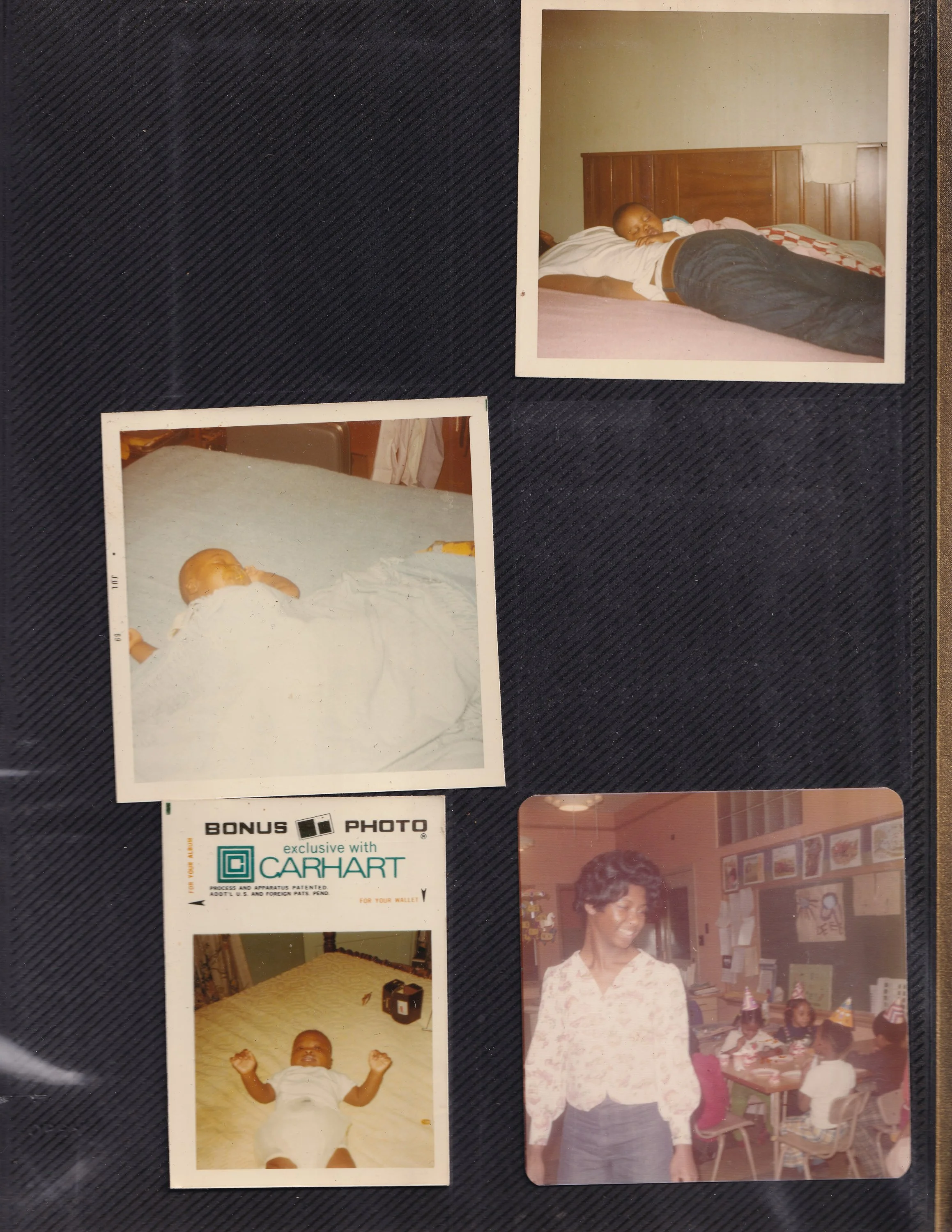
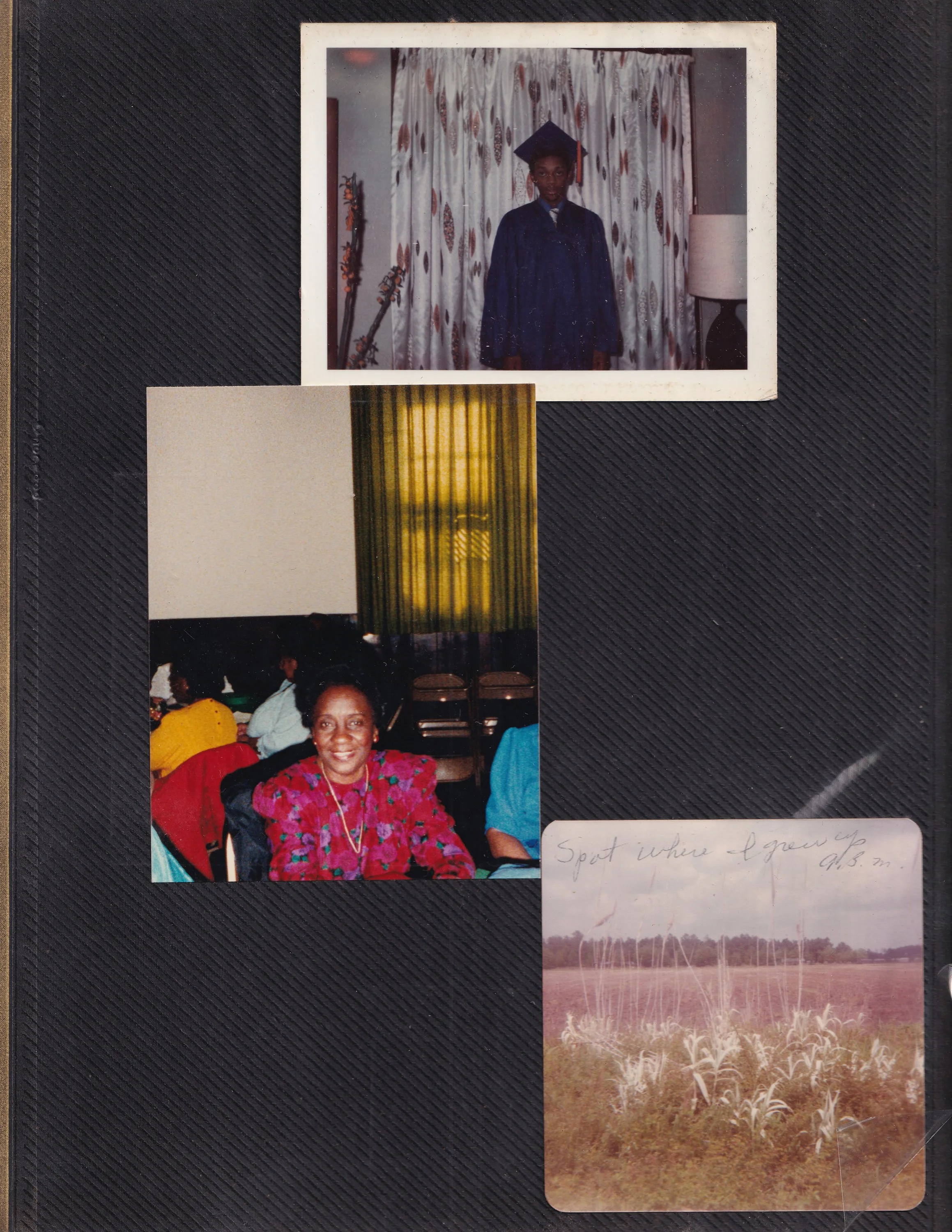
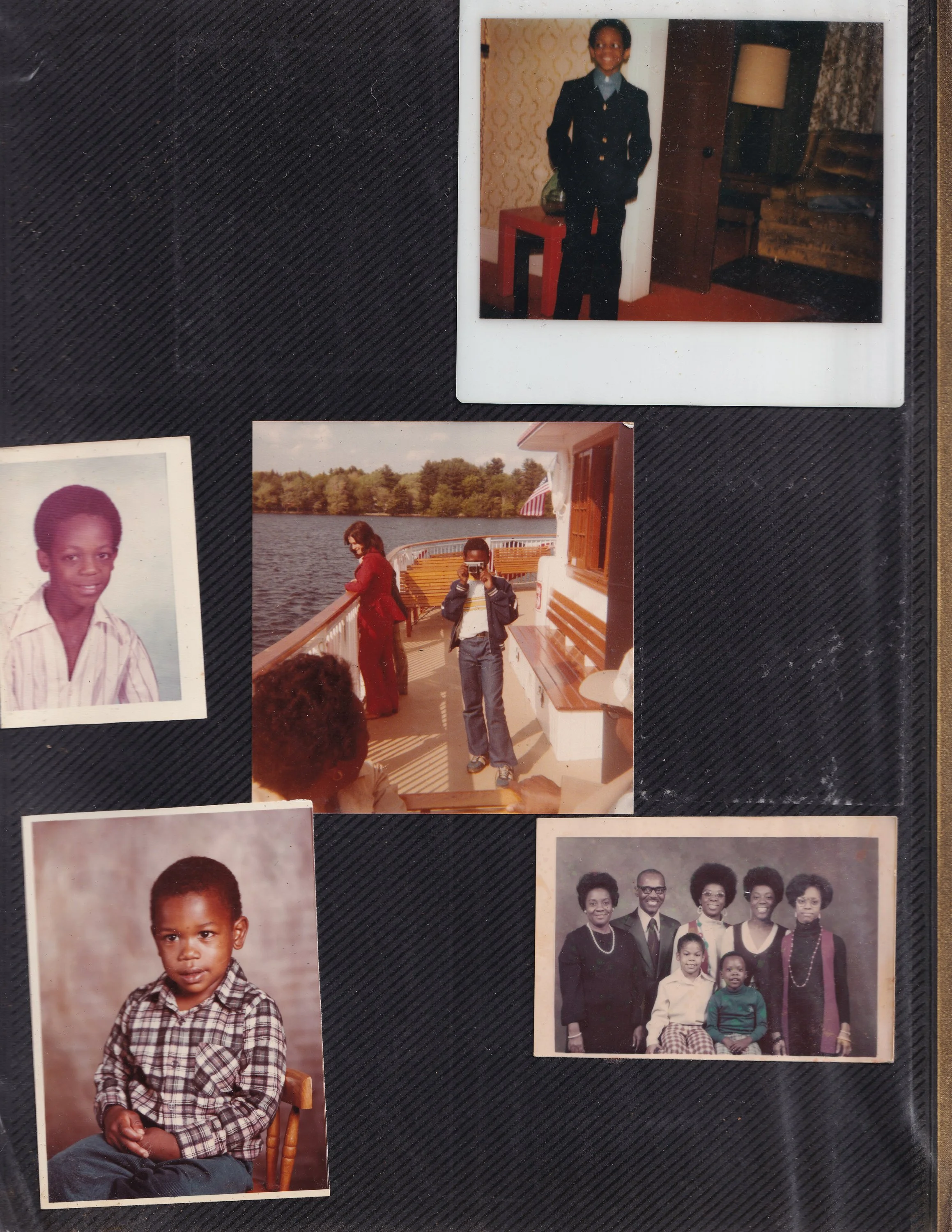
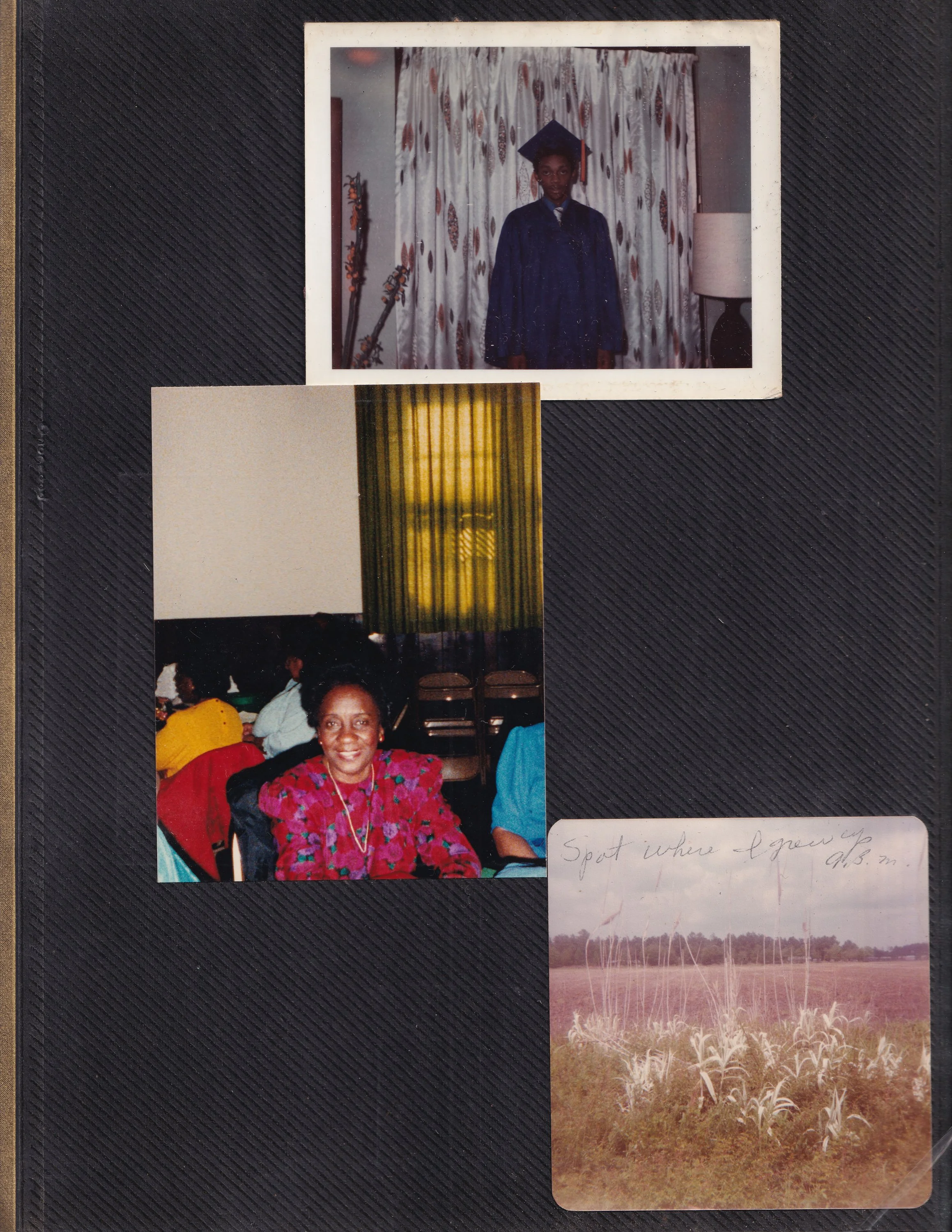
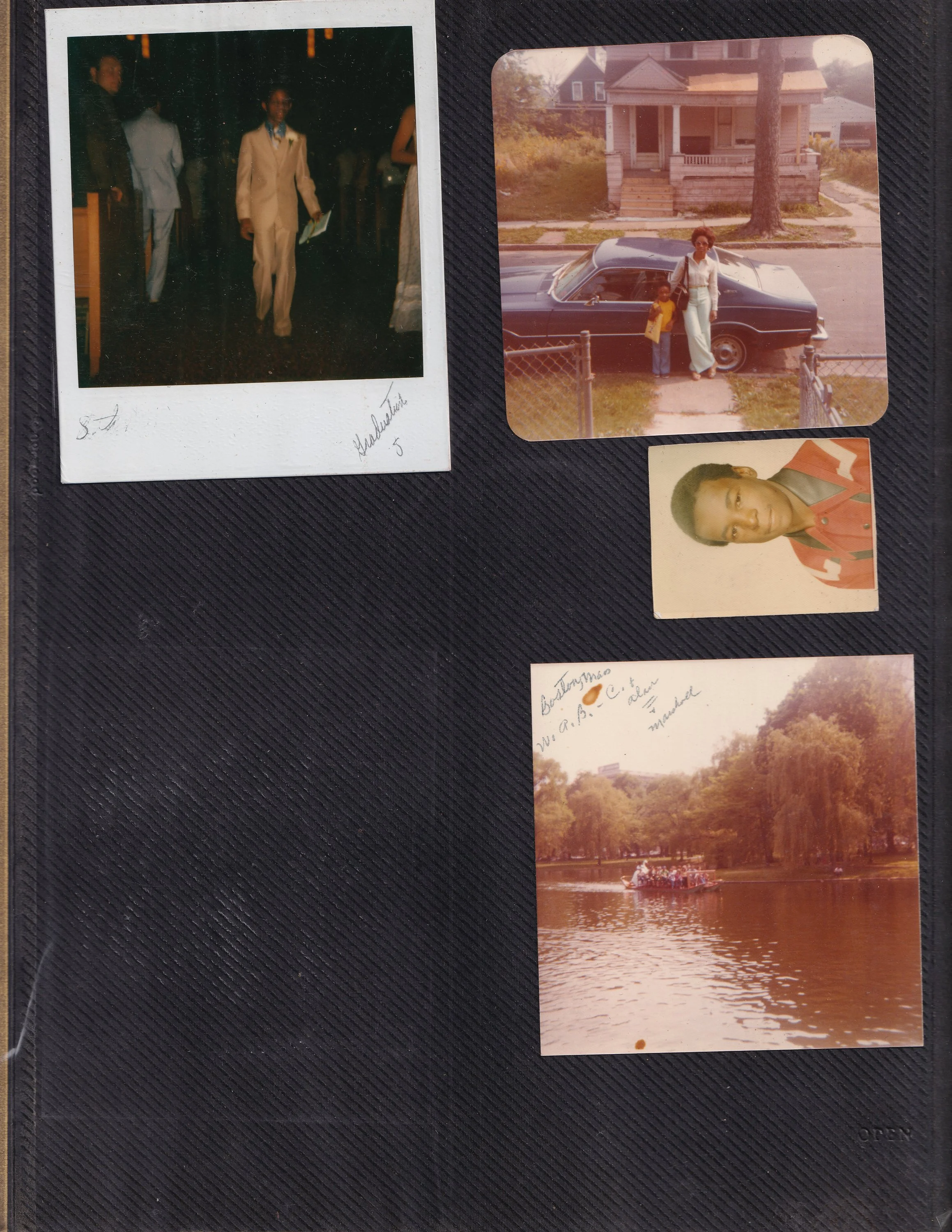
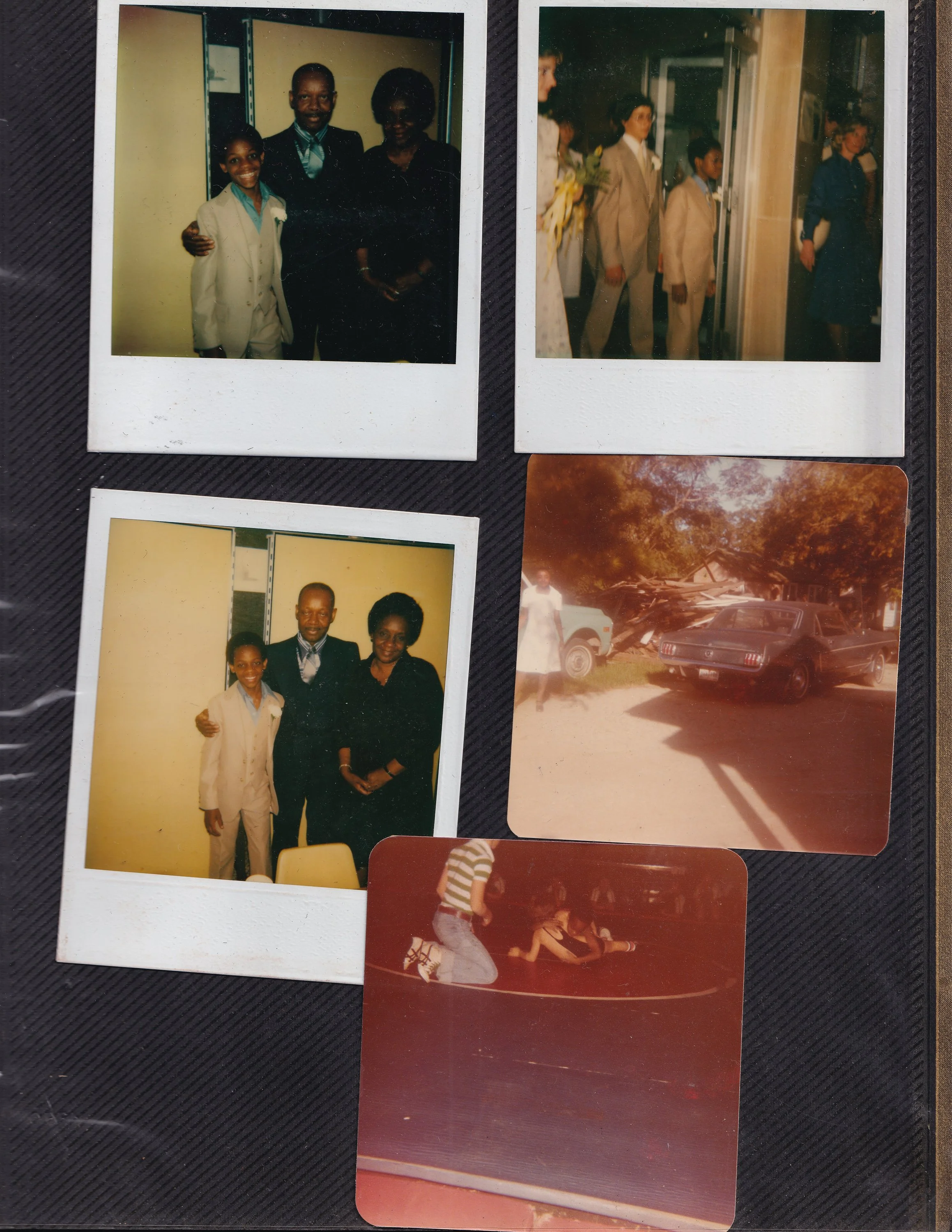
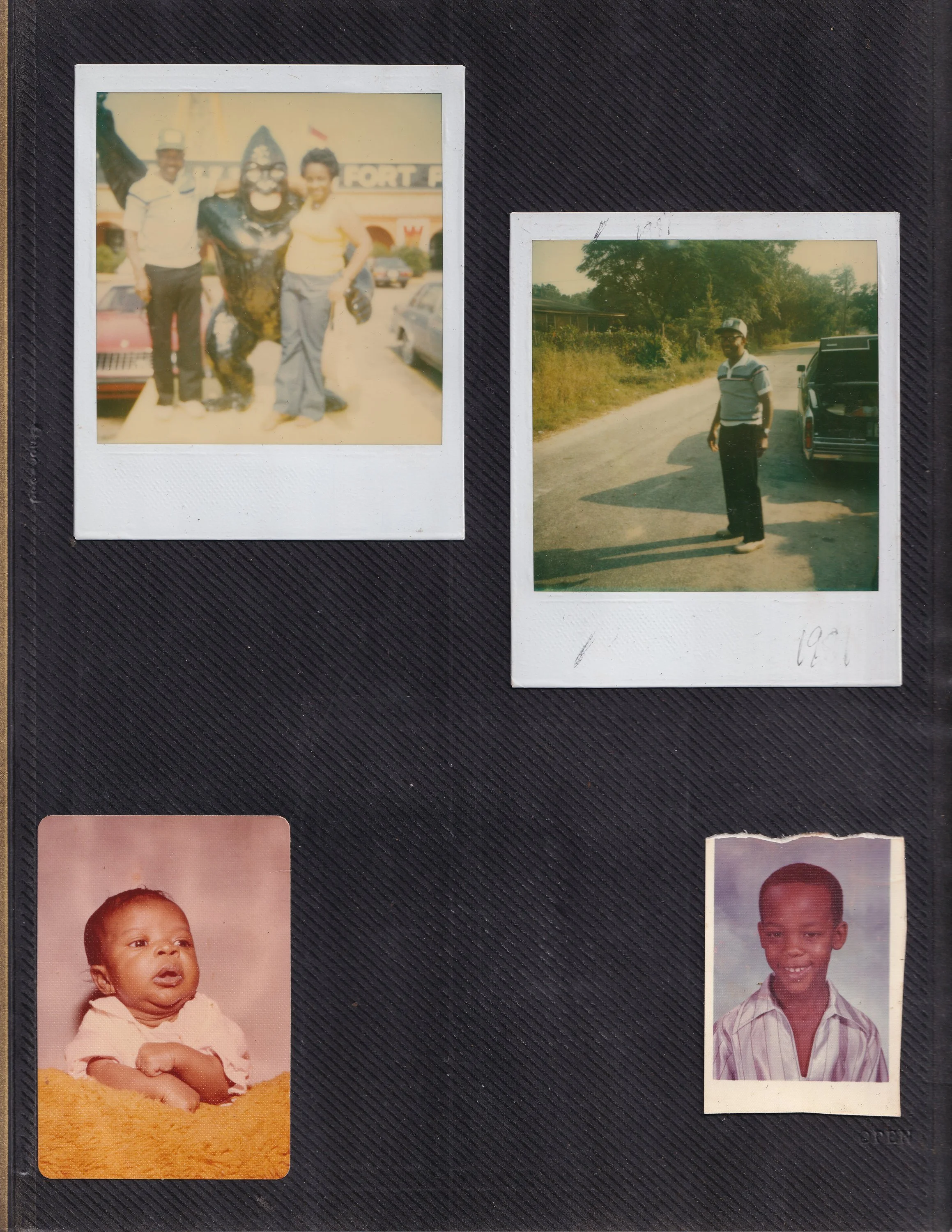
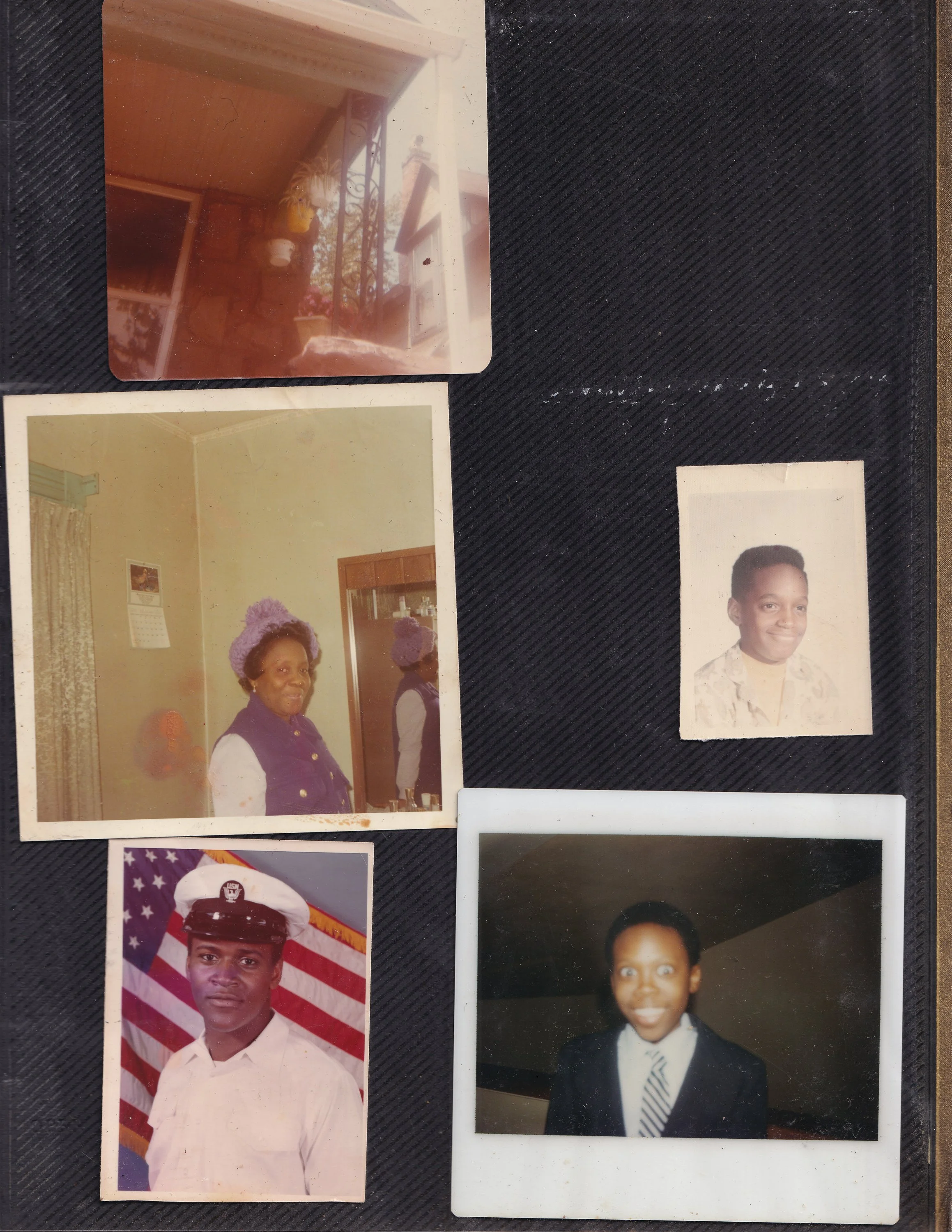
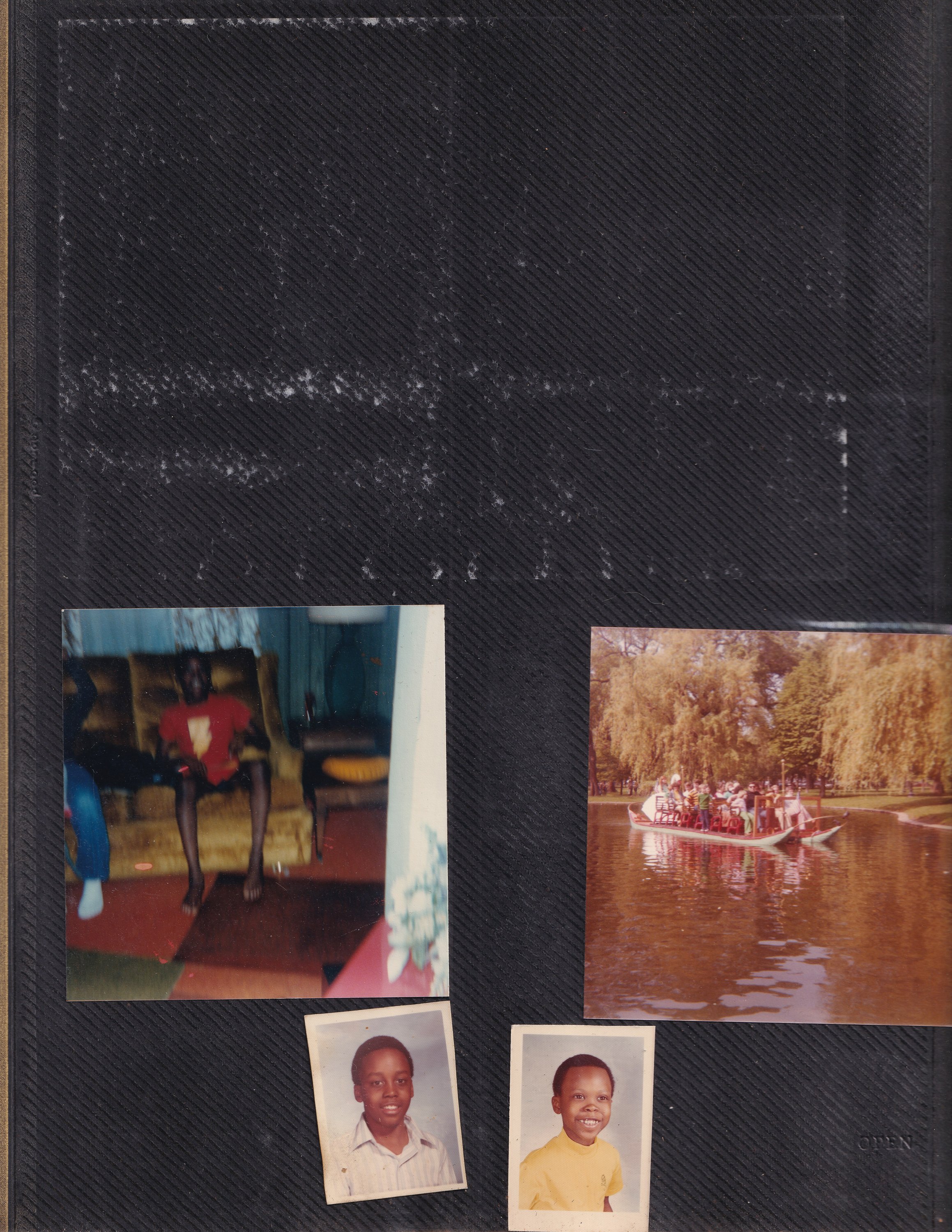
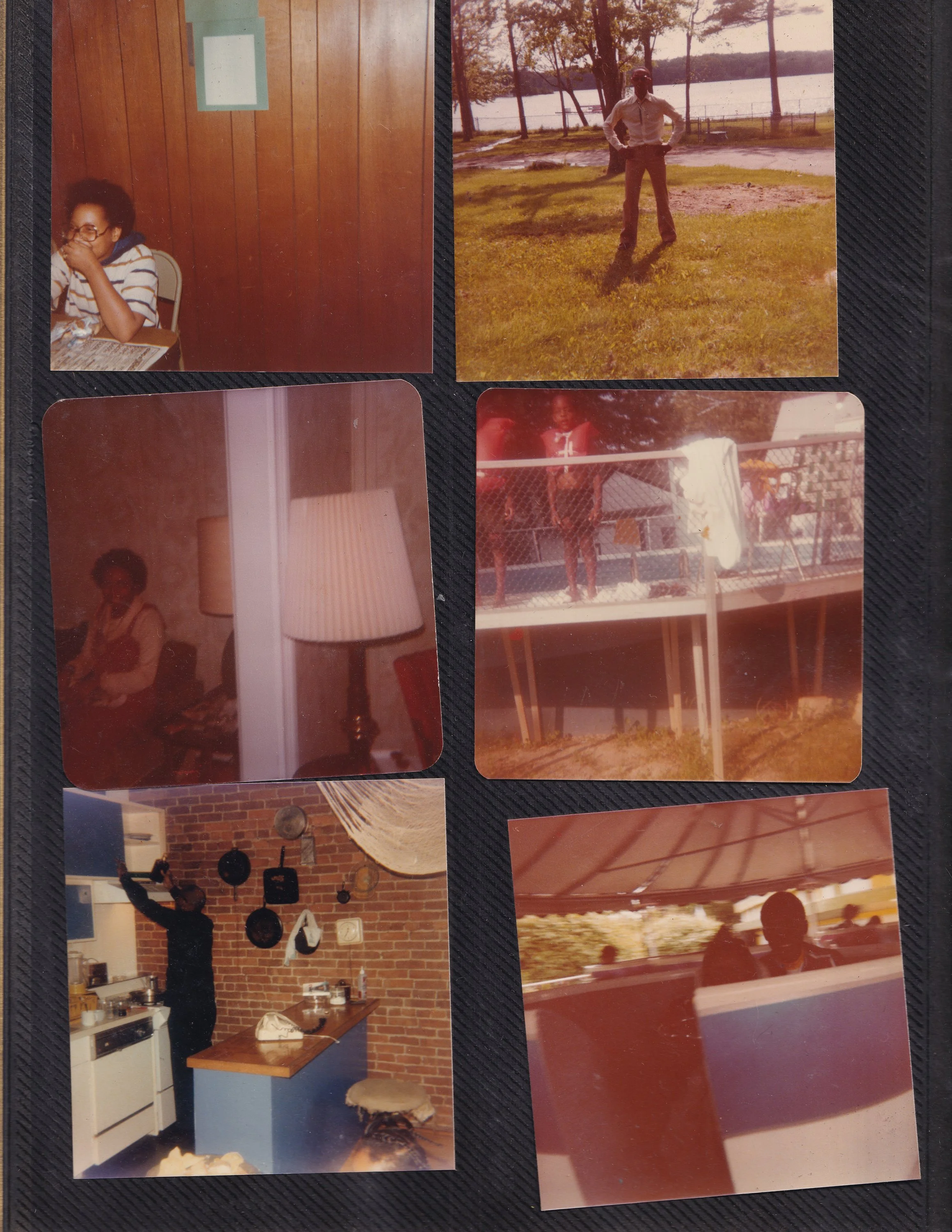
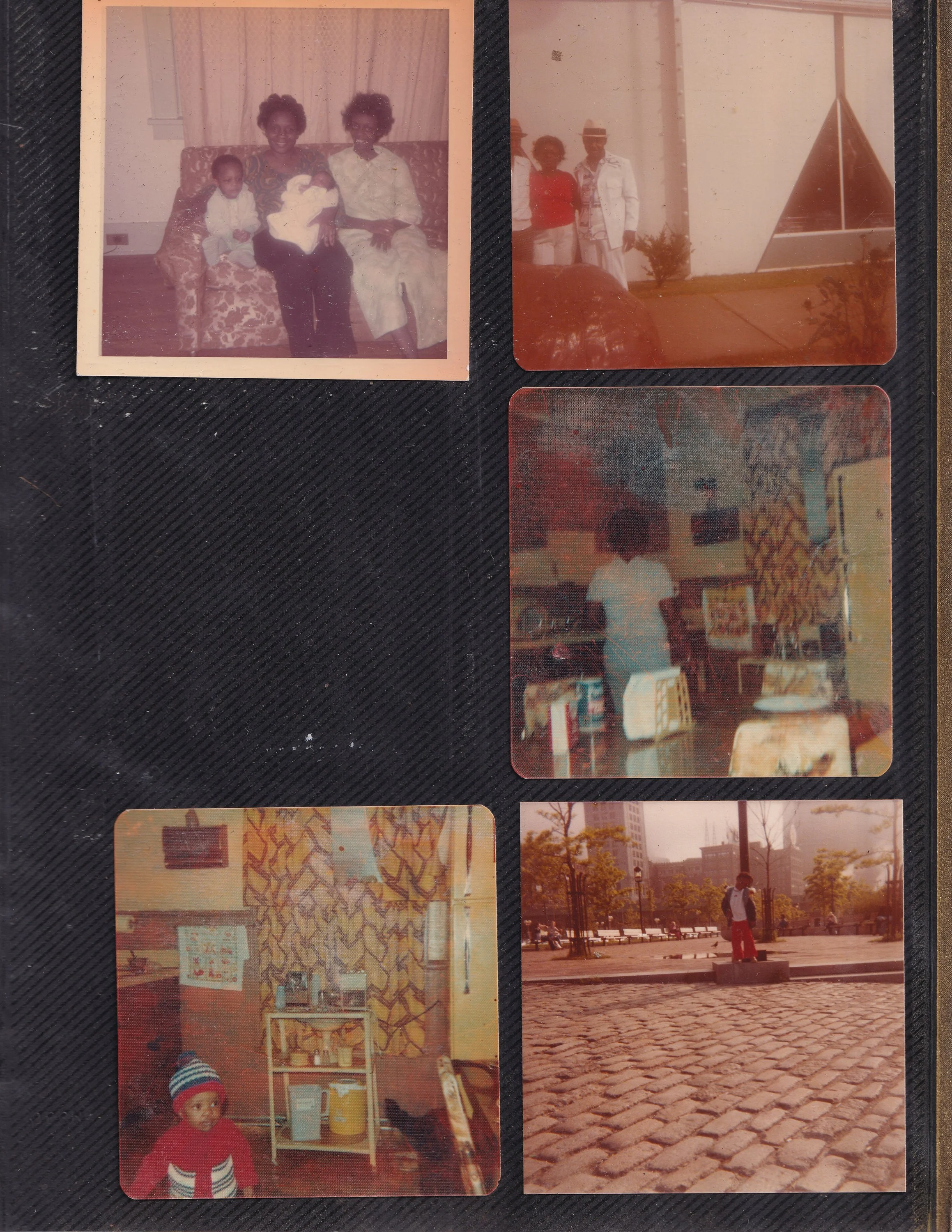
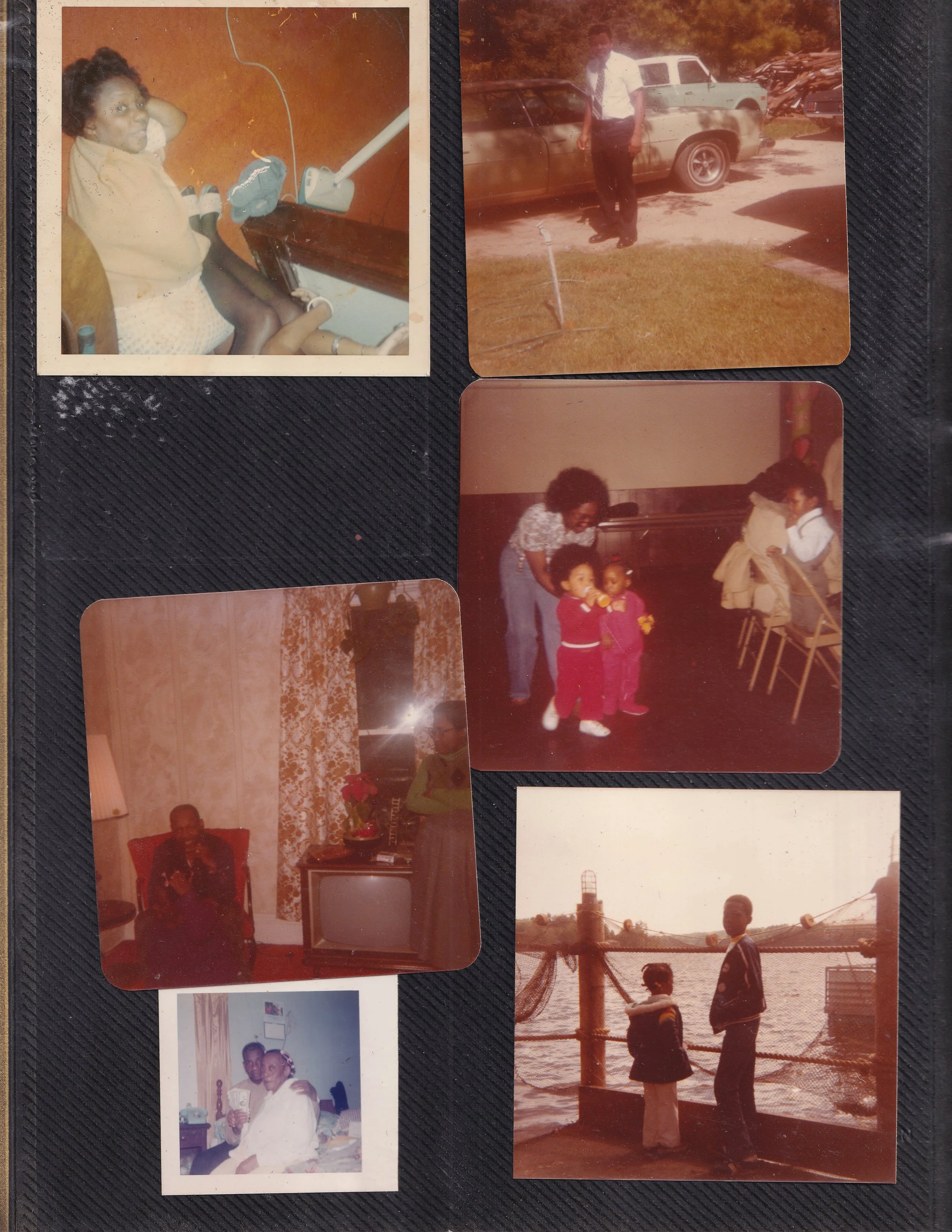
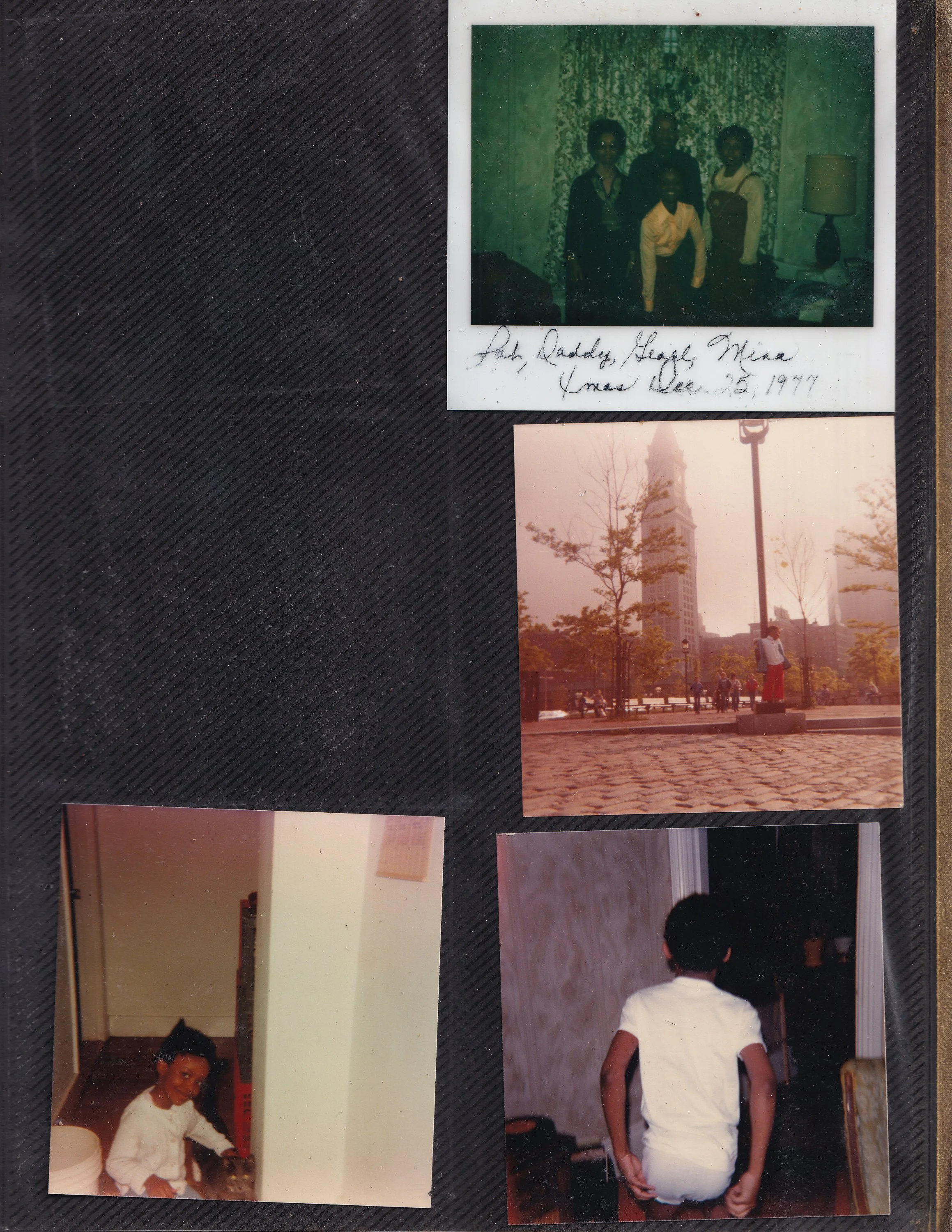
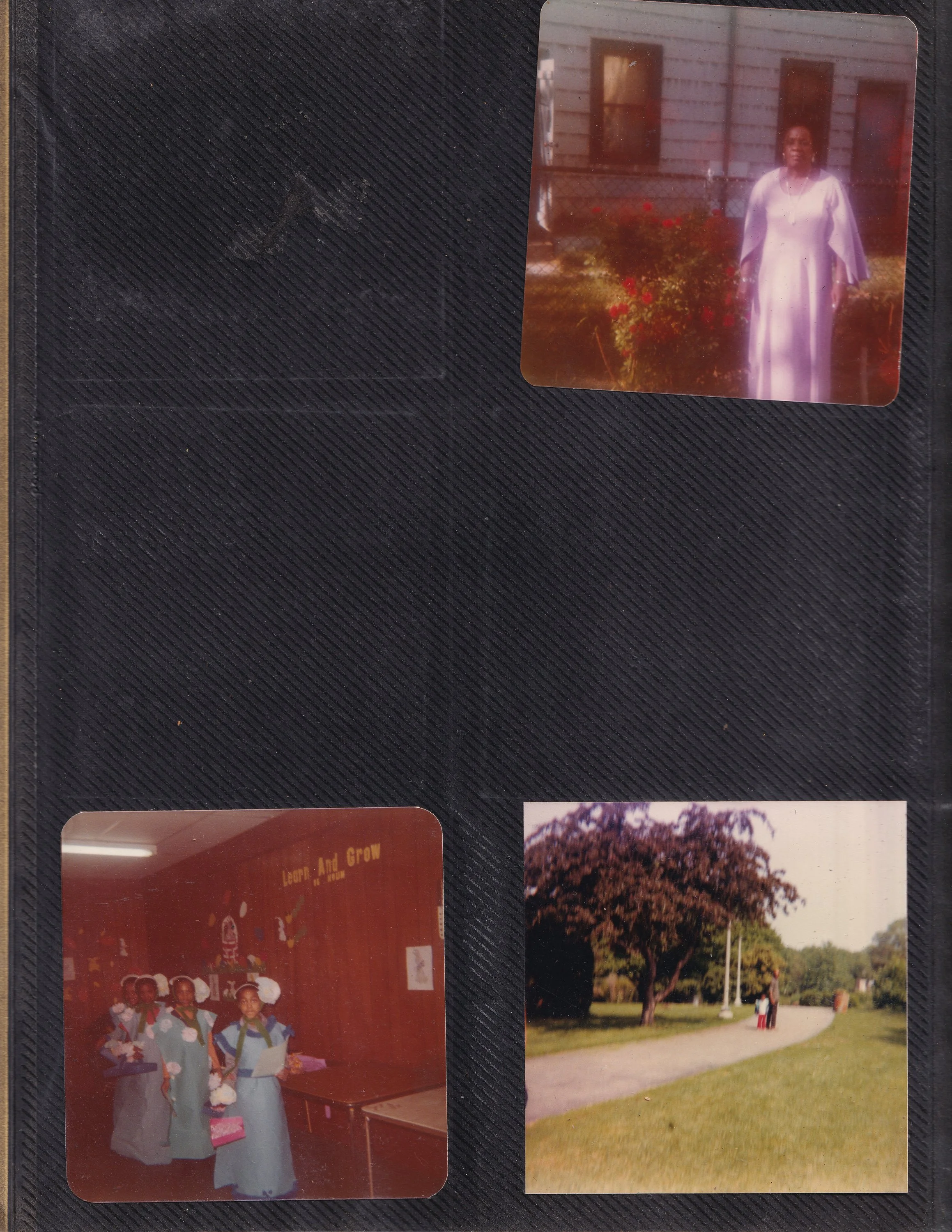
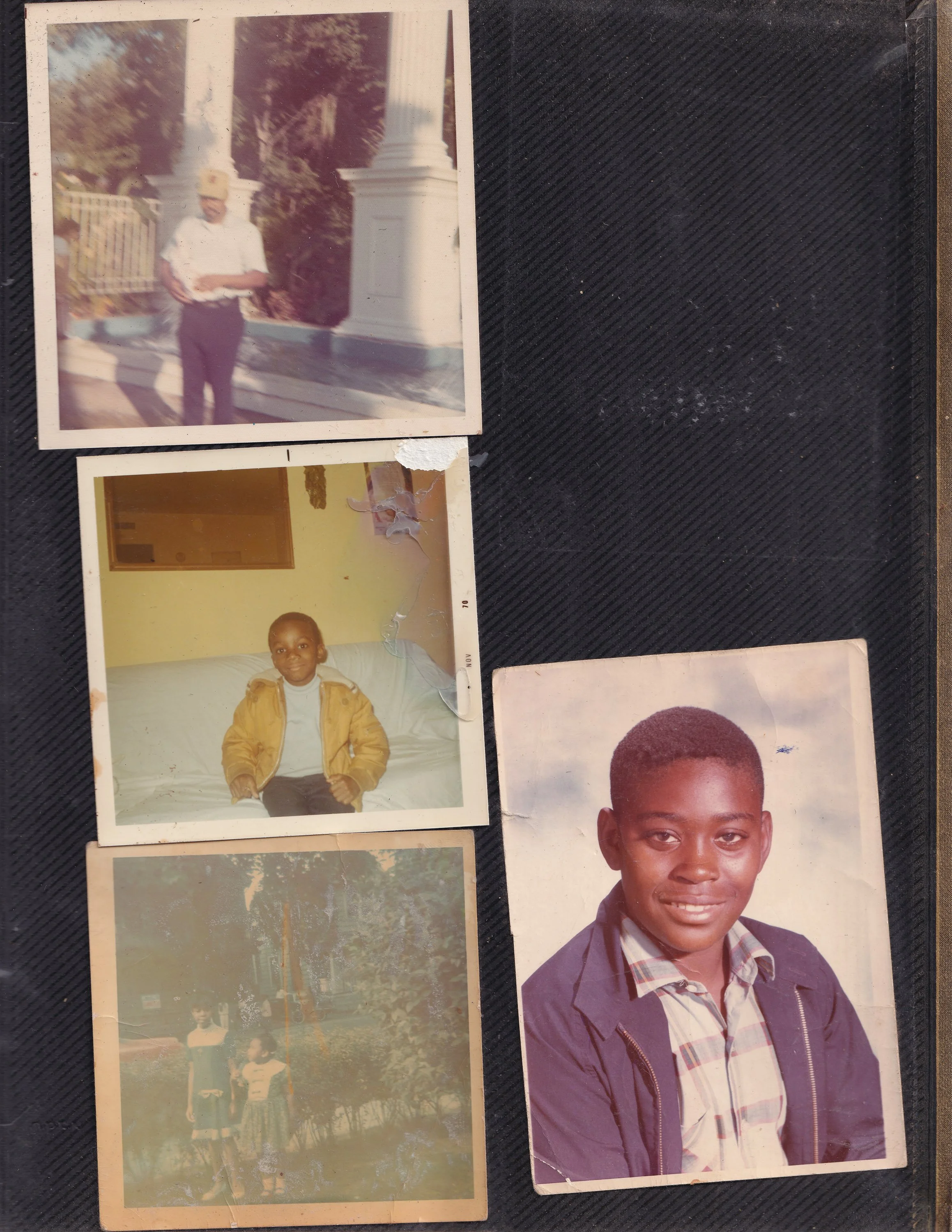
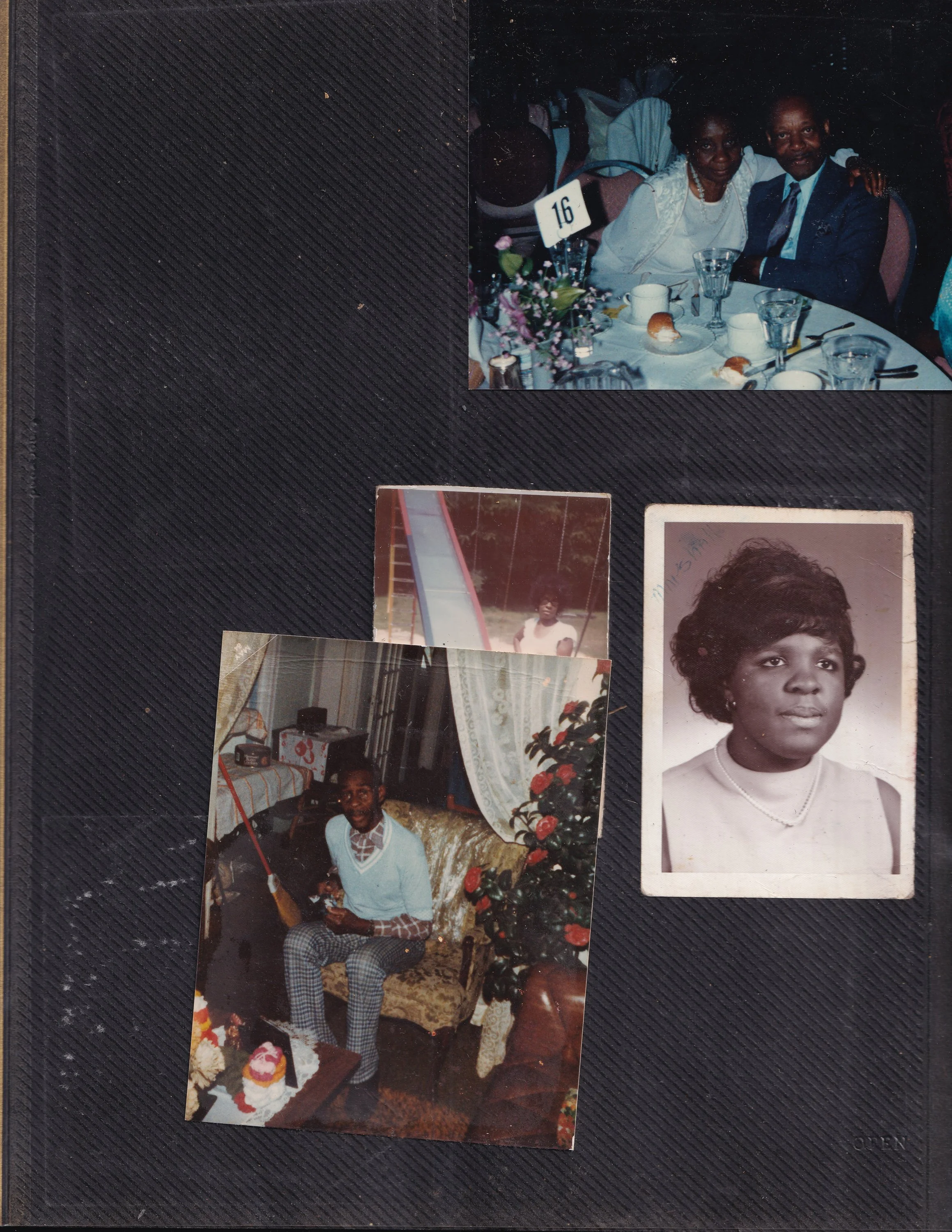
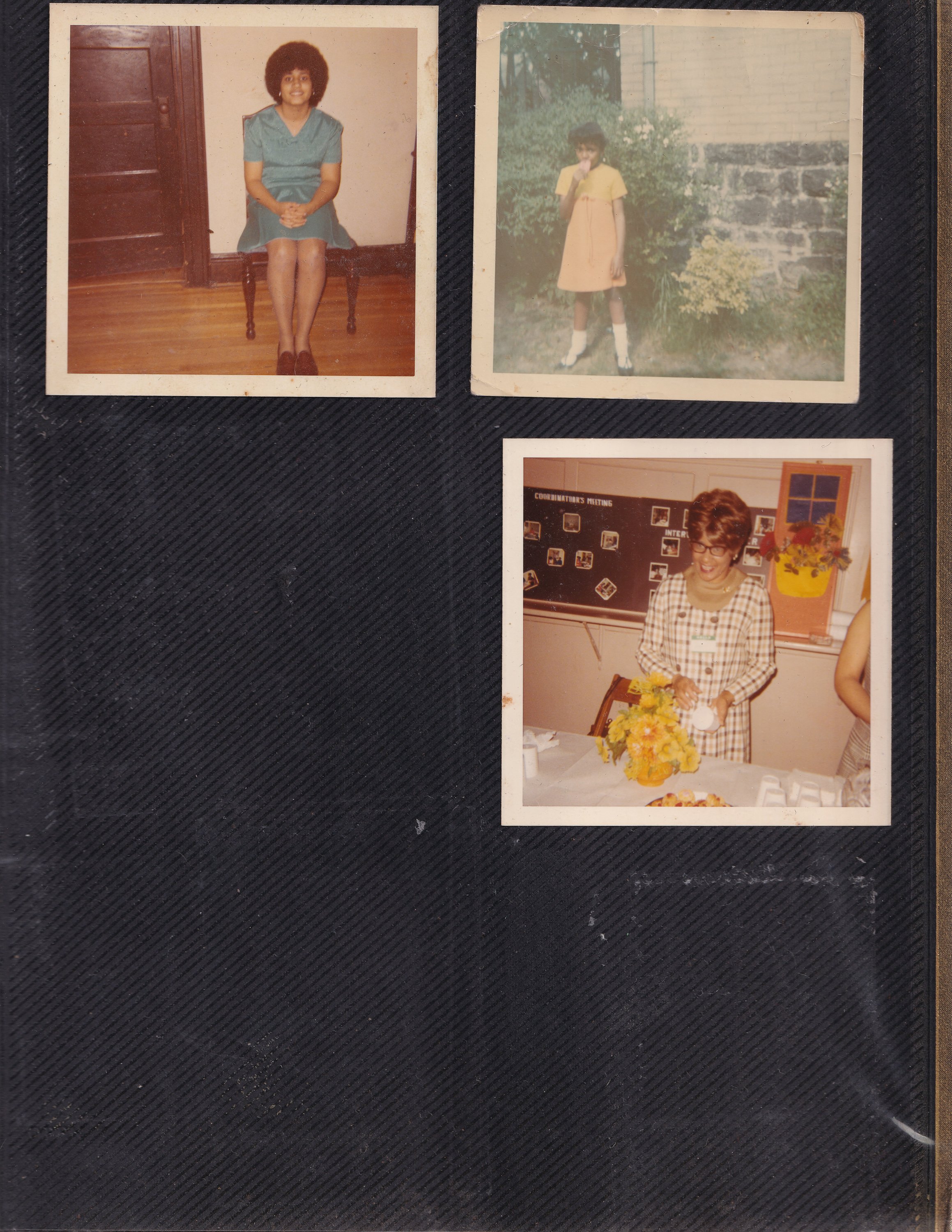
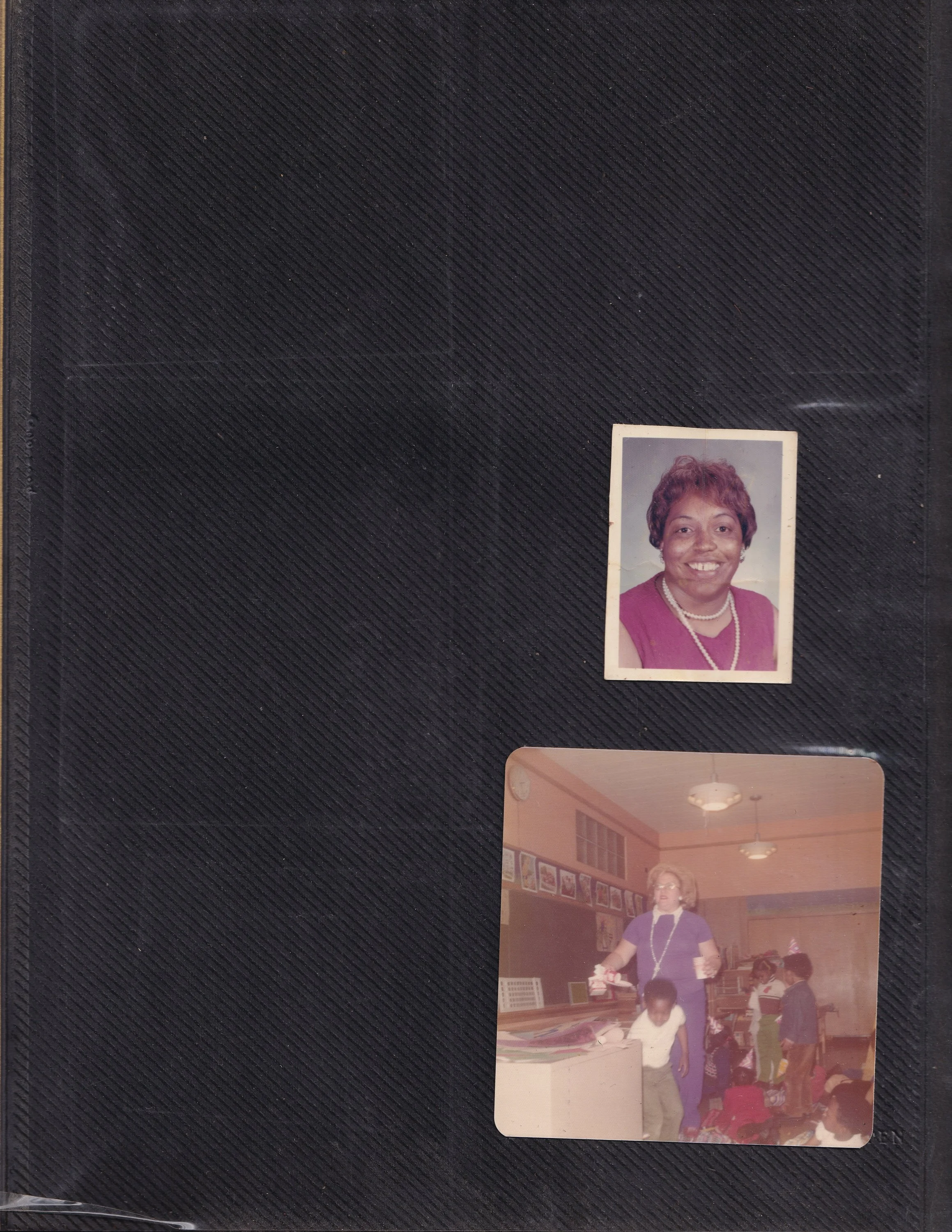
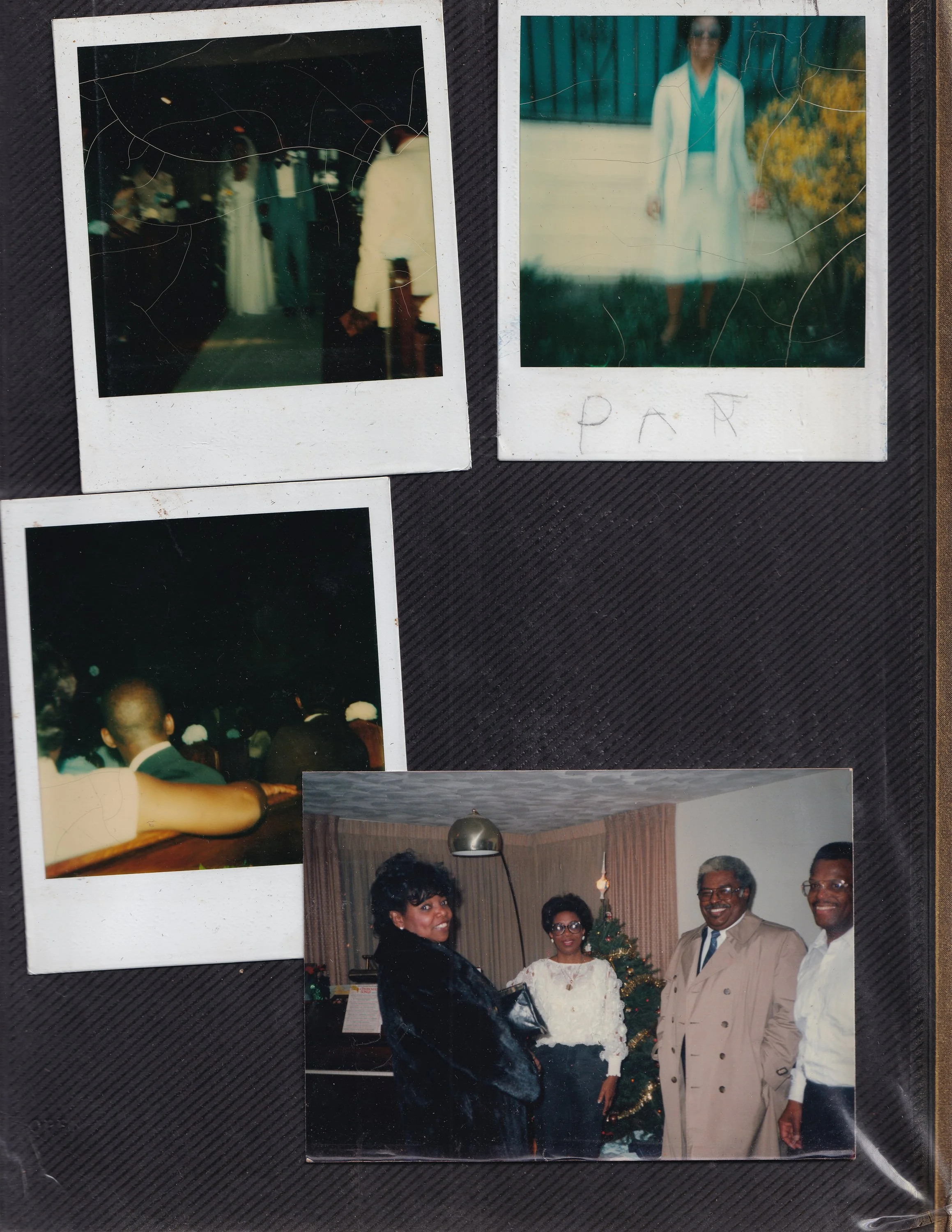
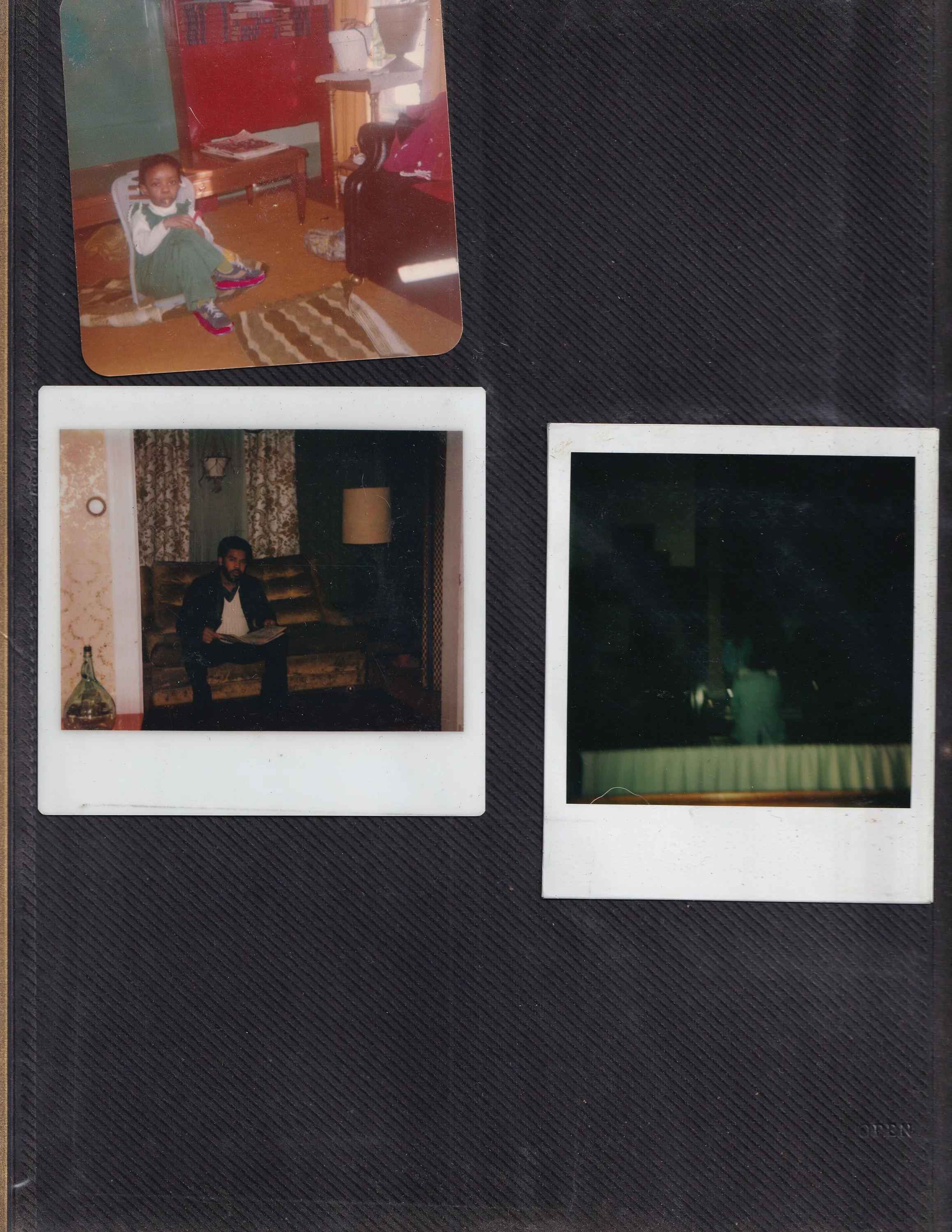
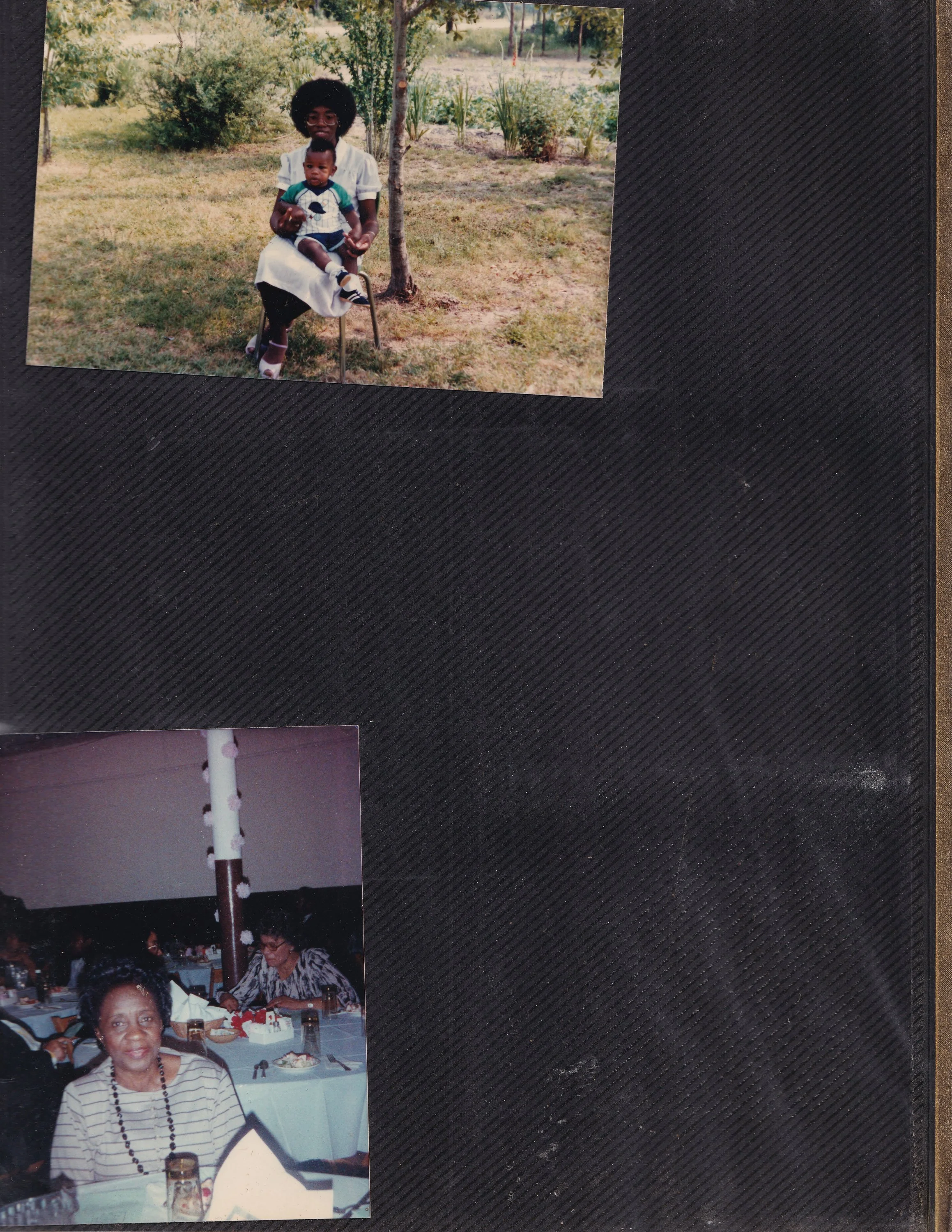
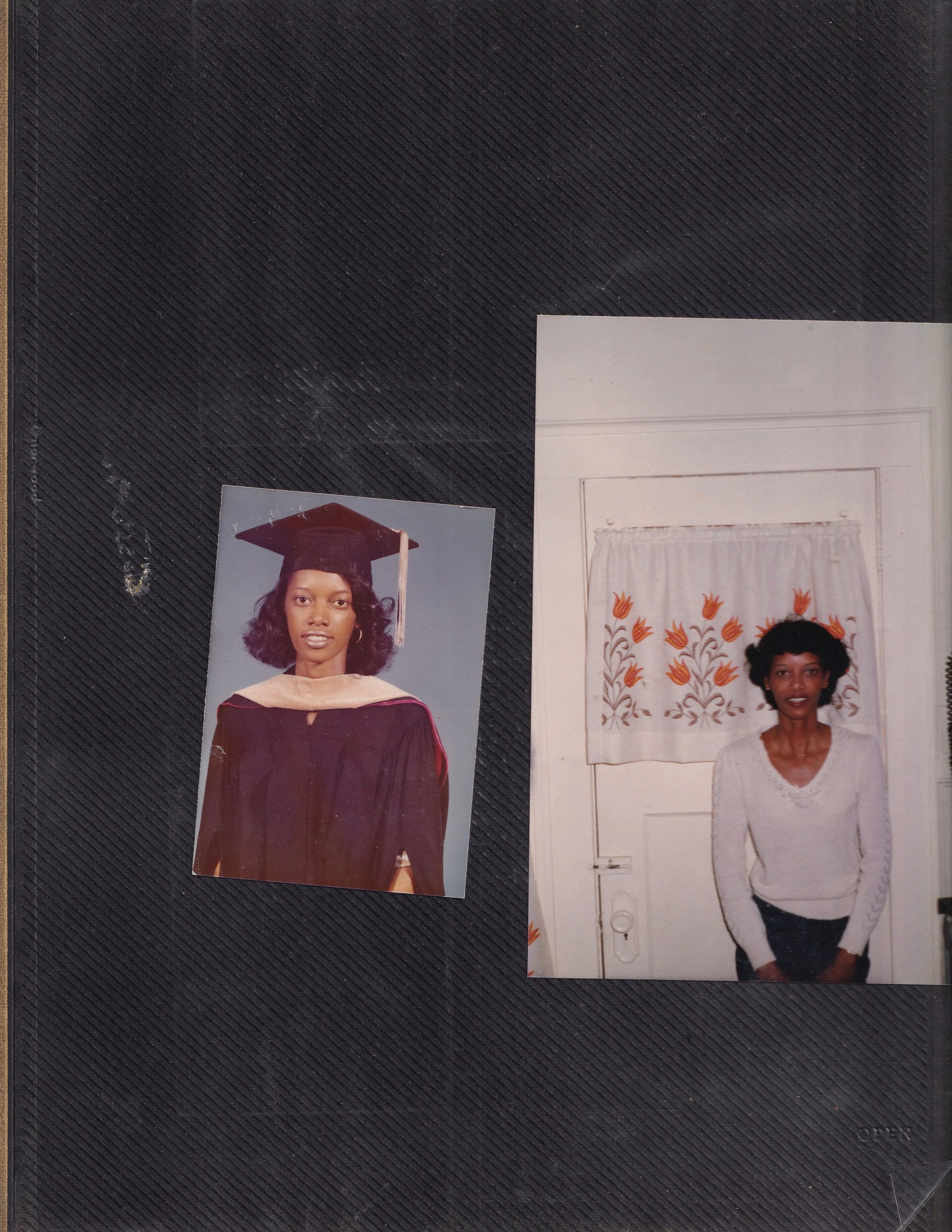
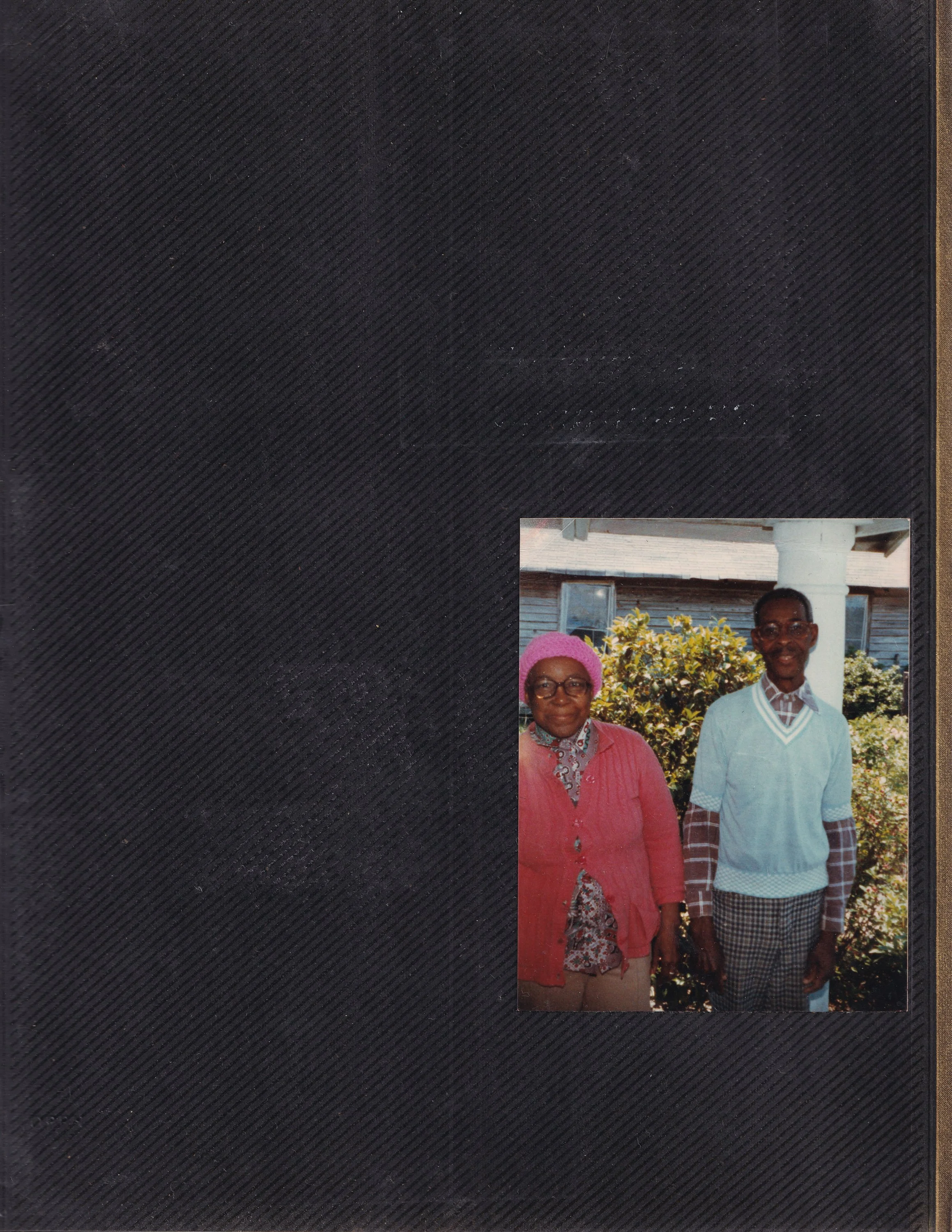
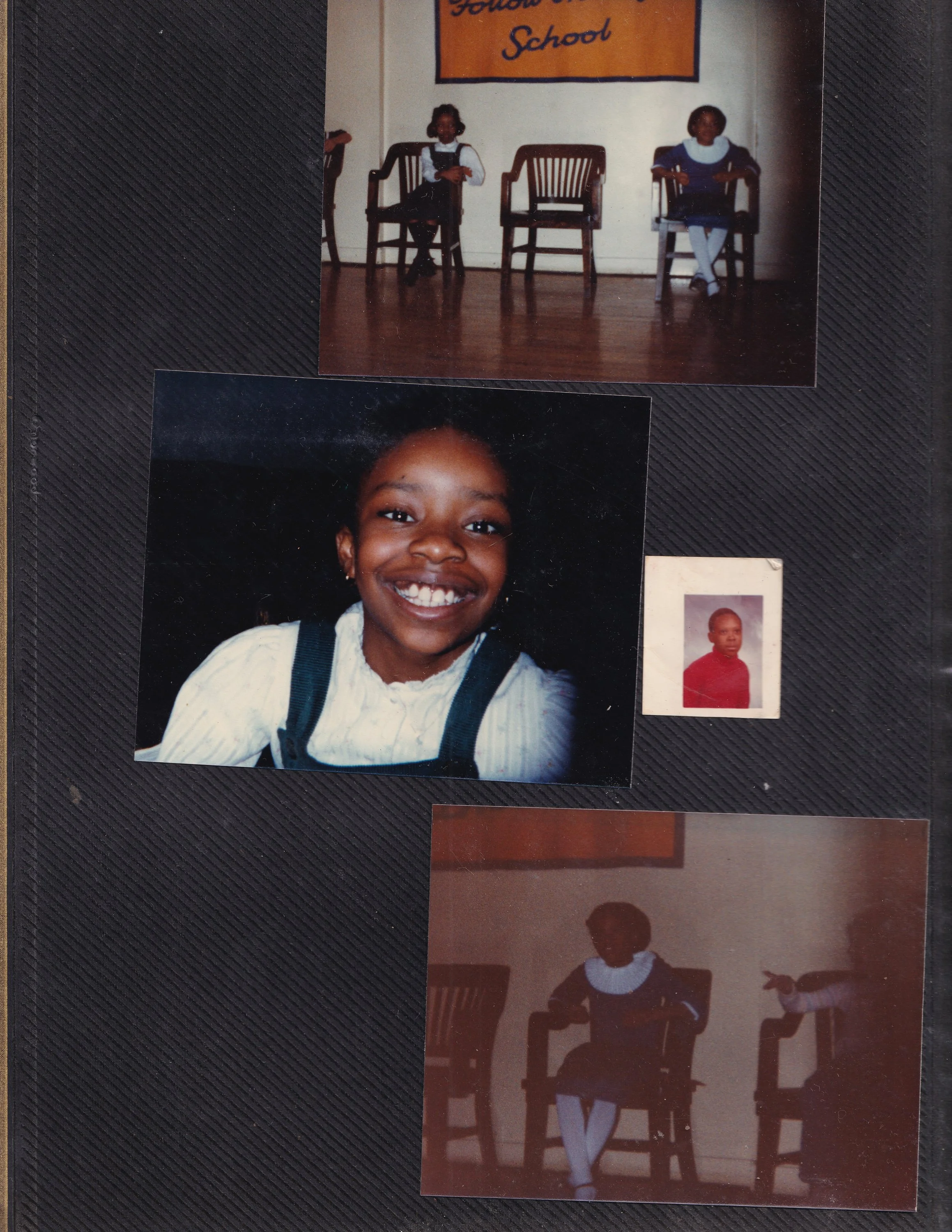
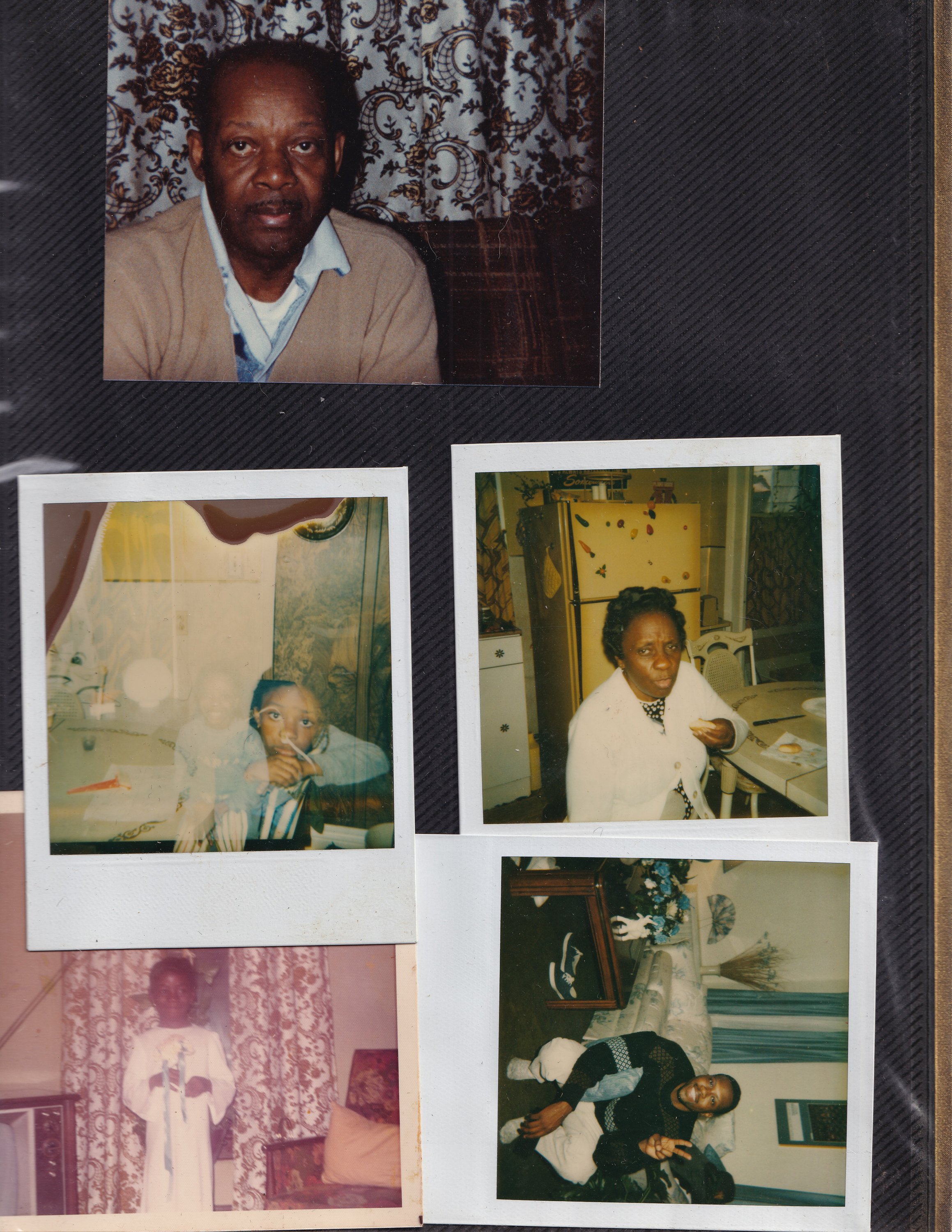
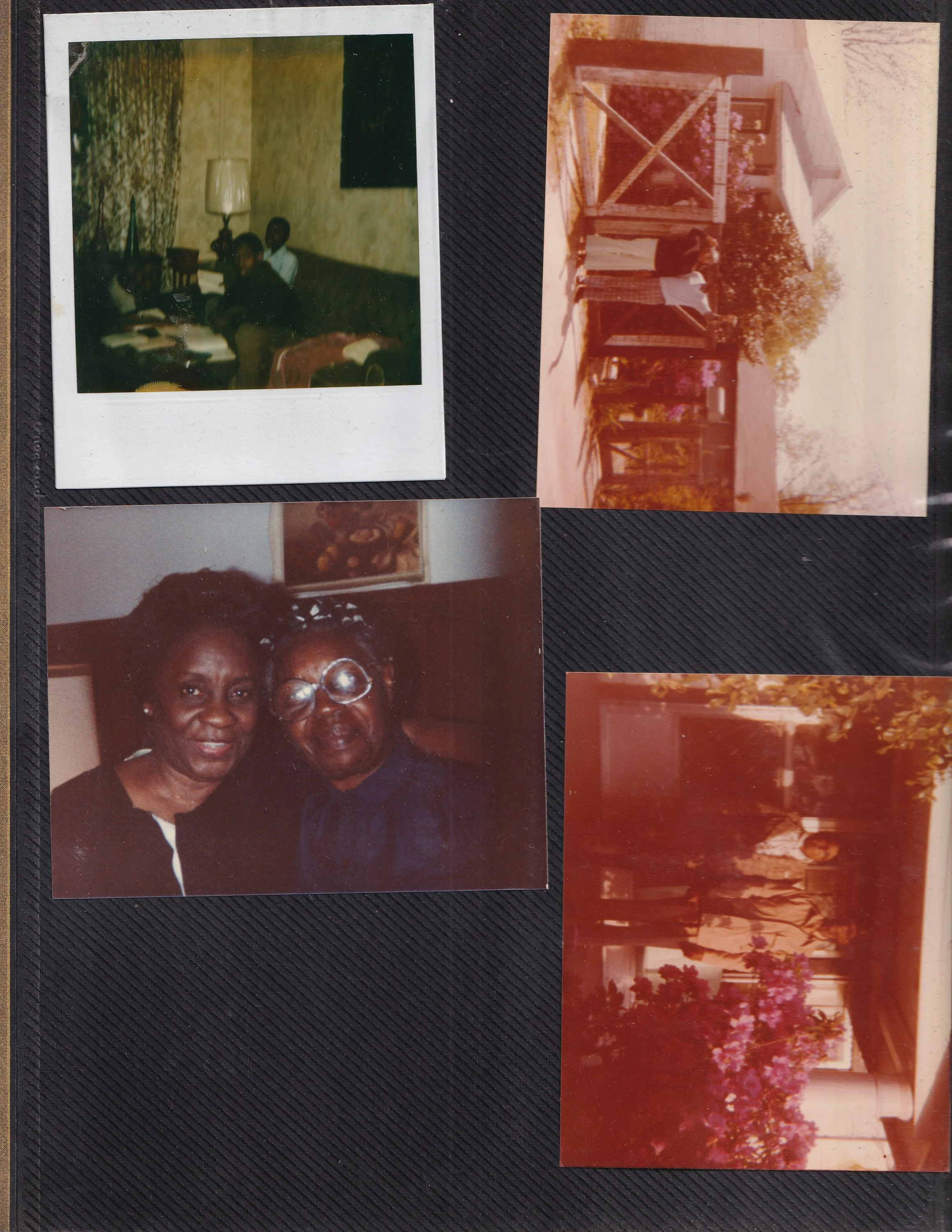
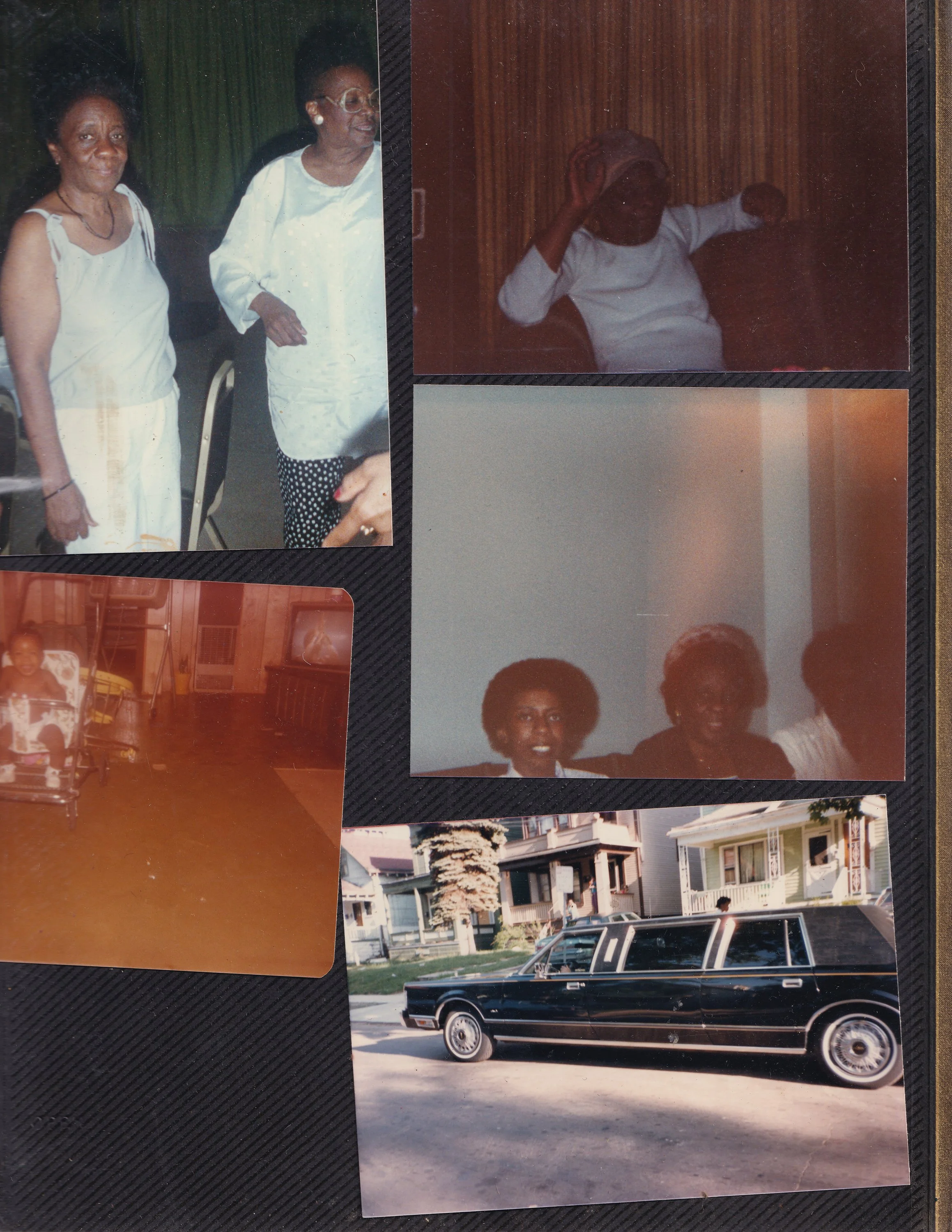
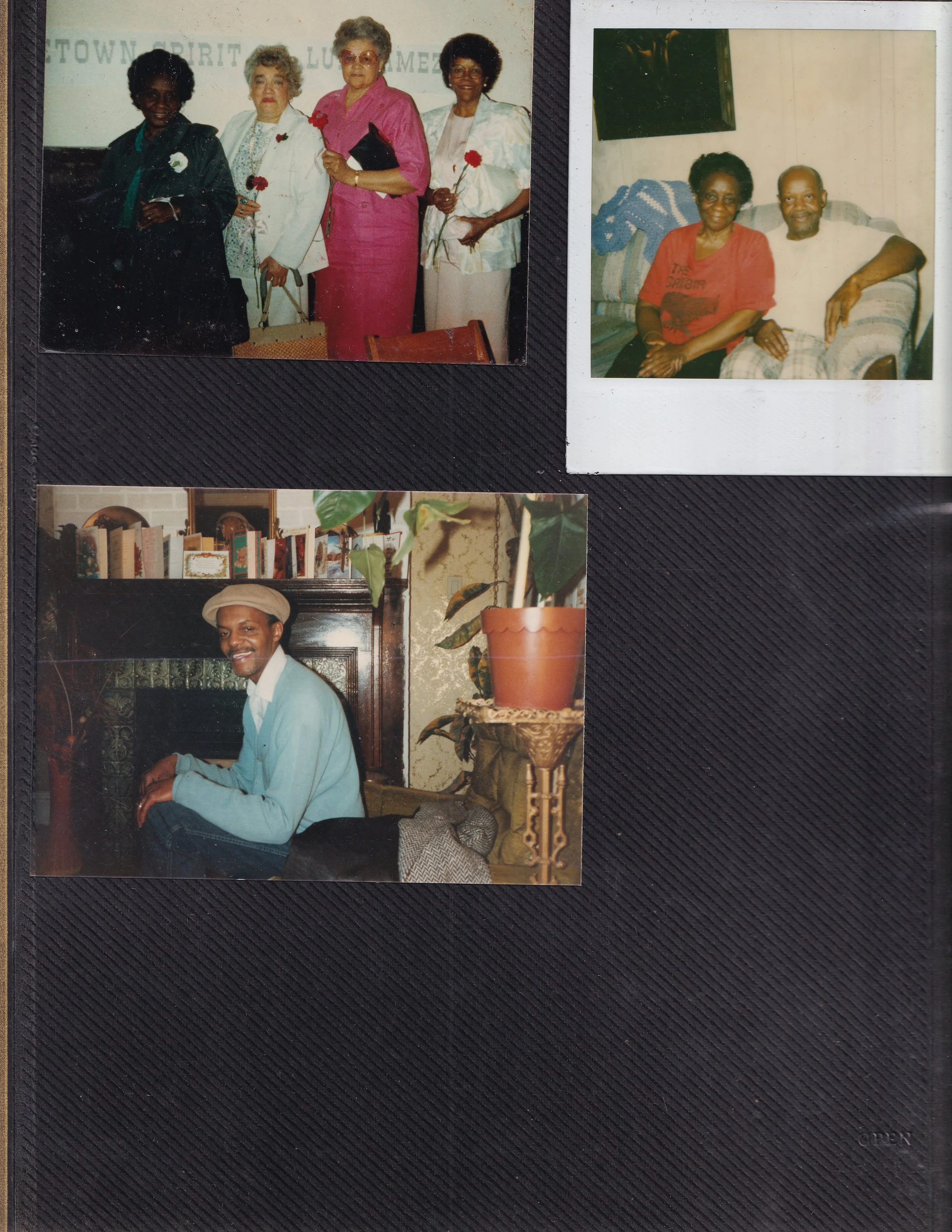
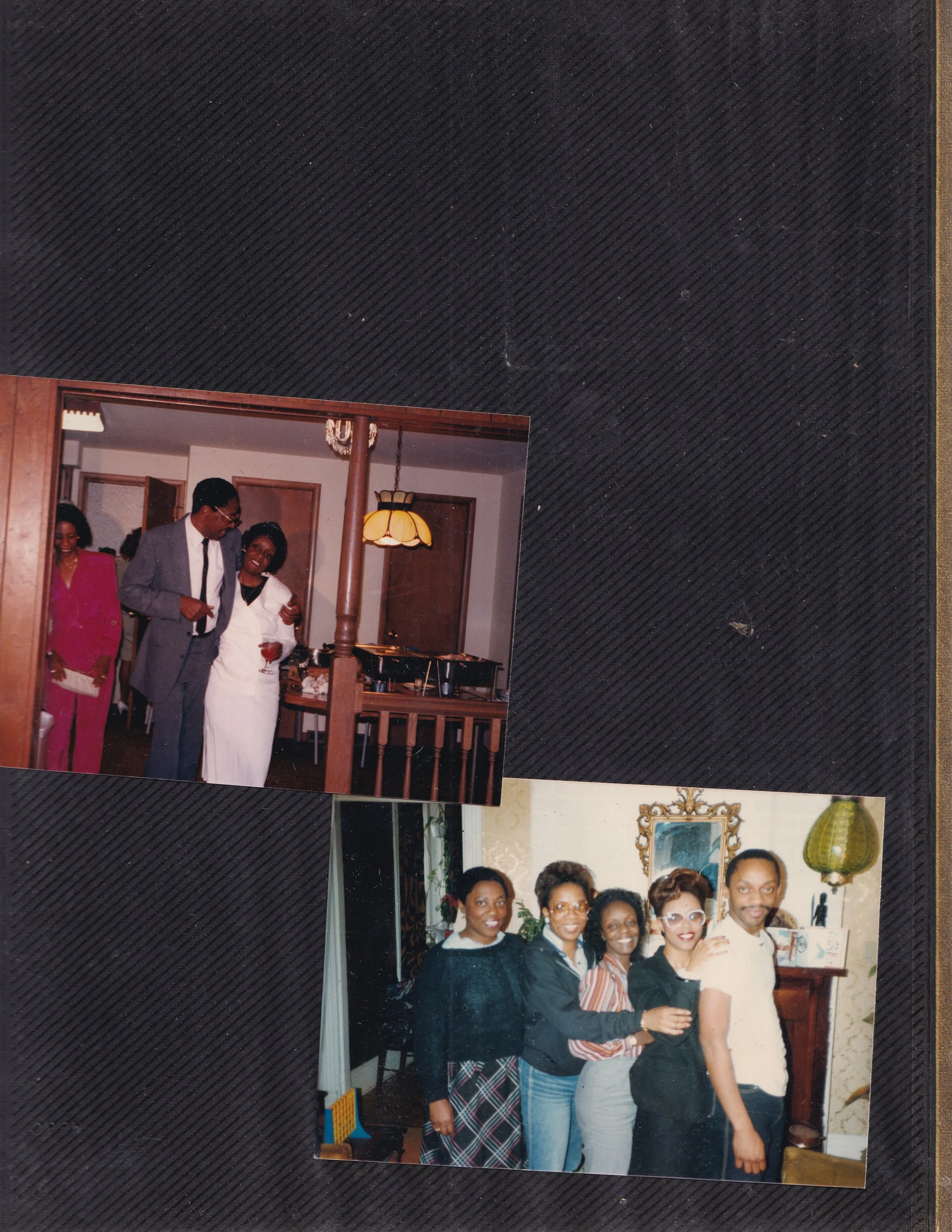
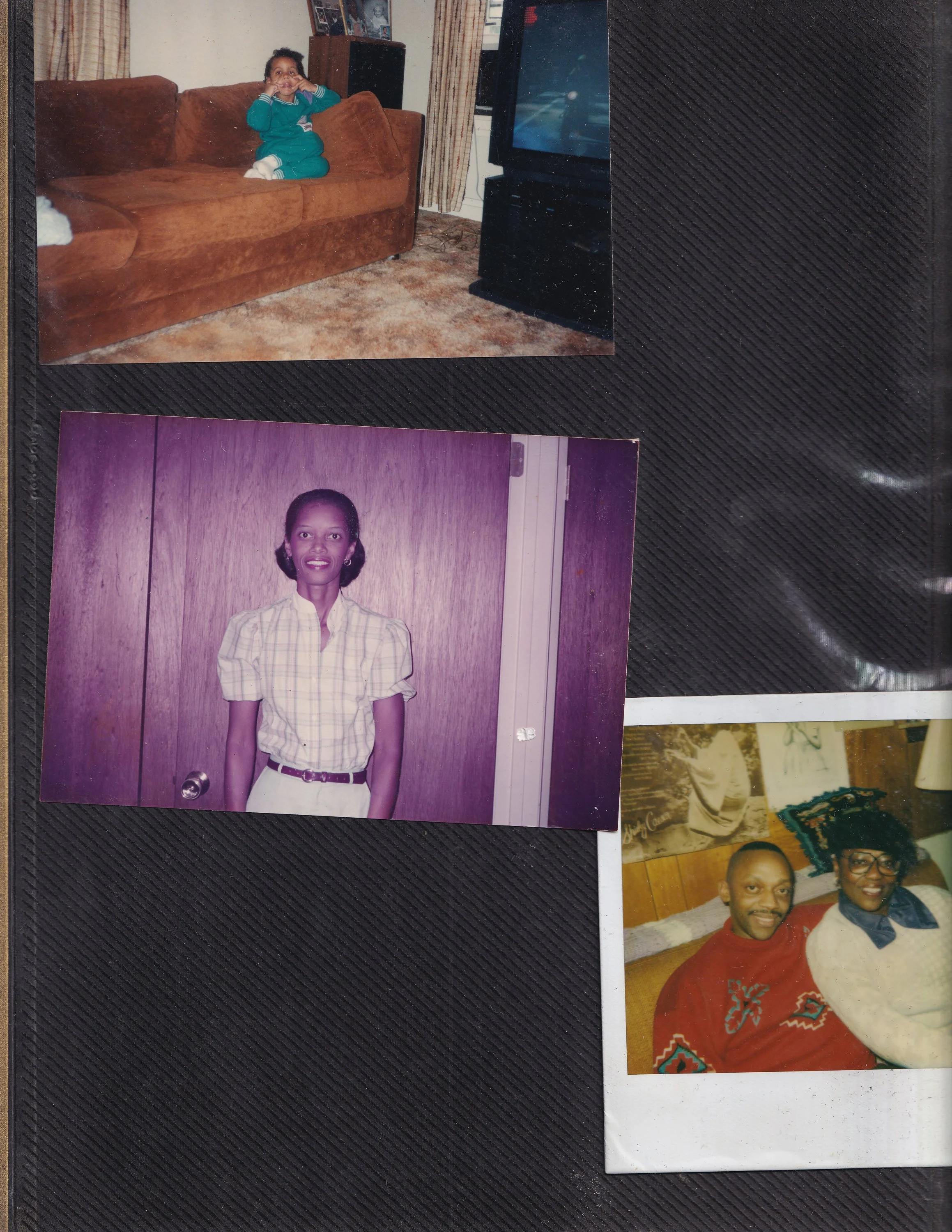
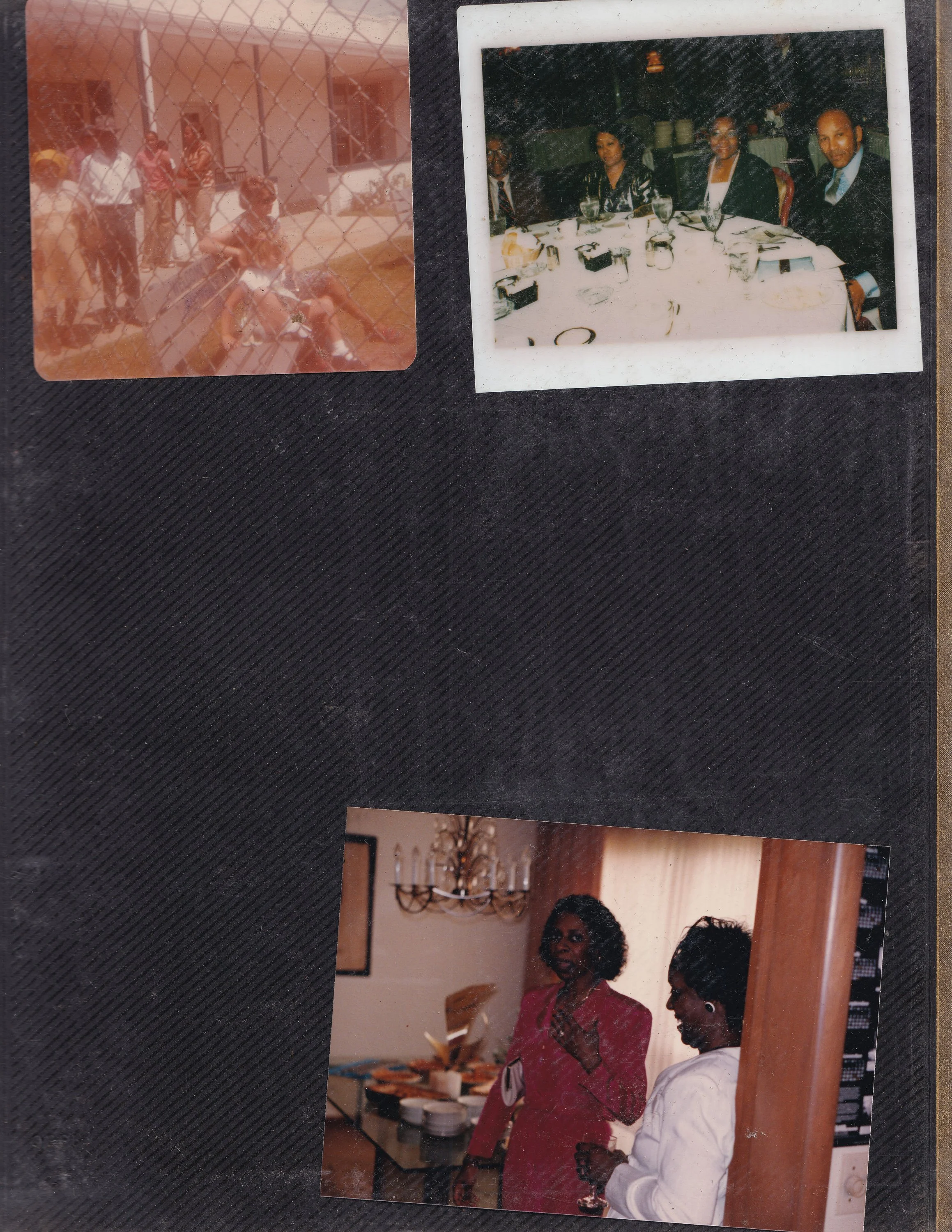
Three years ago I began collecting abandoned family albums from auctions, estate sales, and flea markets. As our physical world became more digital, our once cherished objects of moments and memories were forgotten. I began thinking of the various ways to sort, organize, and ultimately protect these artifacts. I started by scanning every page and filing them into folders on my computer exactly as they appeared in the album, unaltered. The photos were stuck to the plastic covering on the pages as if they hadn’t been touched for decades.
Coming from a Black American family on my dad’s side who I have very little record of, these photographs struck a cord within me. I find these brief snapshots to contain a plethora of emotion. Are they arranged intentionally? Who arranged them? Who is in them? Who was behind the camera? What journey did they take to arrive here in my hands? All of these questions are worth pondering and I most likely will never receive an answer for them. I was especially moved by the residue on the pages where photographs were missing.
Growing up as a mixed race individual, I was never white enough and never black enough. I was a mixture of both. However, I felt the same deep churn in my gut when I finally realized why my black father told me to always put on a suit when I go to the bank. I grew up seeking answers as to why whenever I saw a Black figure on my television, they were providing entertainment. I wondered why all the Black figures I revered such as Malcolm X and Muhammad Ali were so controversial. I struggled with this word, “controversy.” Did Black American families have normal lives just like white folks? Did they have tight knit families? Did they go on vacation? I wondered why our media outlets were only showing our plight, our struggles, and our controversies. Even in our triumphs, it’s a stark realization that we are constantly fighting an uphill battle. This position only confirms our place as second class citizens having to fight for upward mobility. In the attempt to categorize, confine, and dehumanize Black Americans, the family album prevailed.
The ultimate mission of The American Family Album project is to find the families in these collections of photographs and either turn them back over to them, or serve as a safe and protected archive and collection for them to come back to. Furthermore, this collection serves as a record of Black American history. For now, I present the first album in this collection that I acquired. (rough)